To build your own bodyweight workout, pick one exercise for each of five basic movements (a squat, a push, a hinge, a core move and something to raise your heart rate), put them in an order that alternates body parts, and choose how long to work, rest and repeat. That's the whole recipe, and it works for a 10-minute session or a 30-minute one.
This guide walks through each step, with timings for beginners and for people who are fitter, three example workouts, and how to change the plan as you improve.
Step 1: cover the basic movements
A balanced workout trains every major part of your body. The simplest way to make sure it does is to choose by movement, not by muscle. Pick at least one from each group:
Squat or lunge (front of the legs, glutes)
-
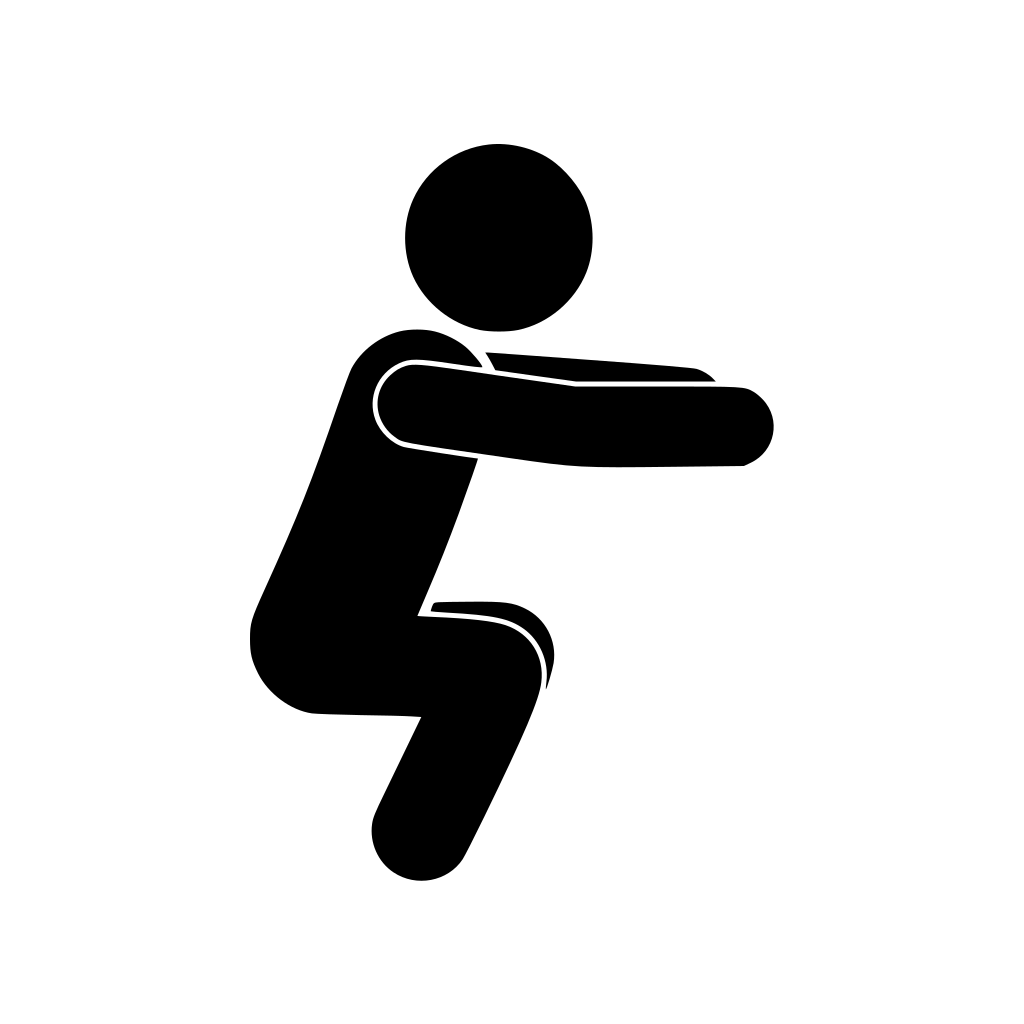 Squat, lunge, side lunge, wall sit
Squats and wall sits are the easiest to start with. Lunges and side lunges add balance and work each leg on its own.
Push (chest, shoulders, arms)
-
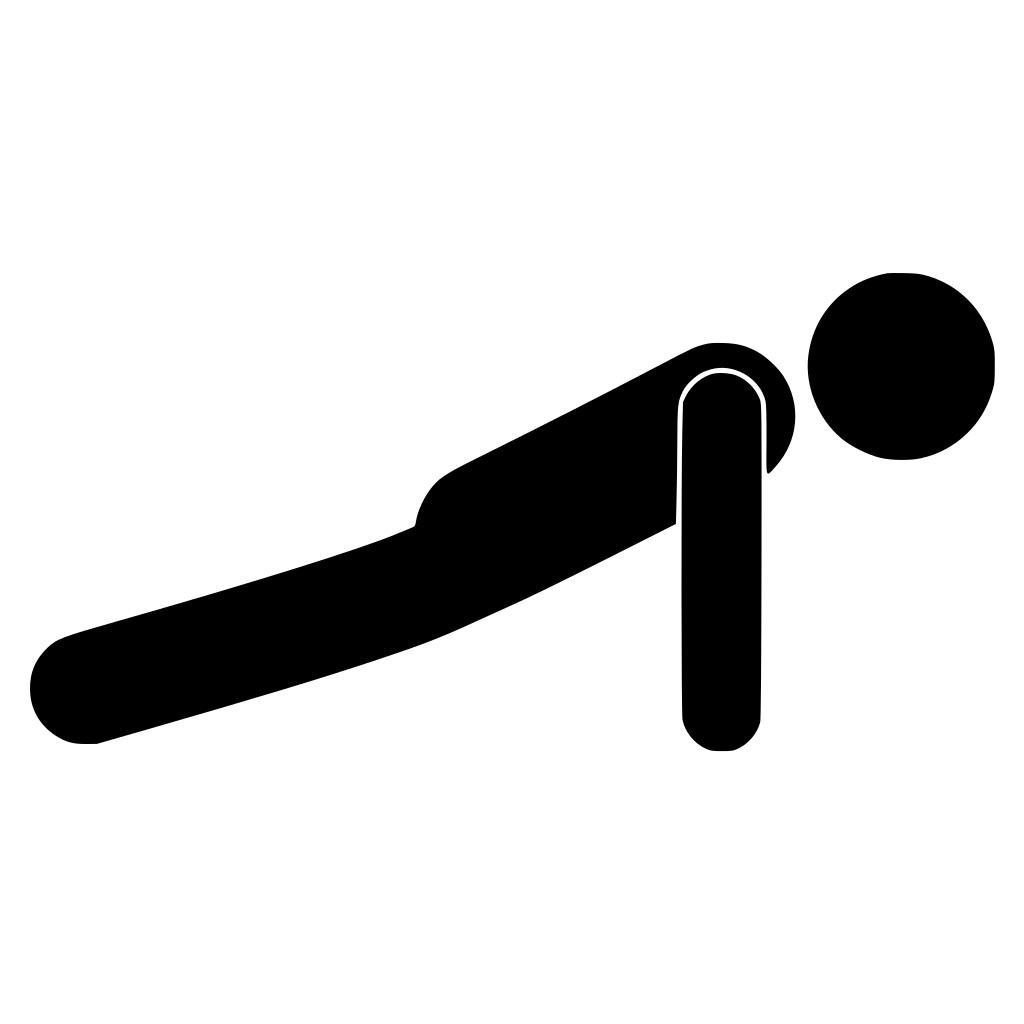 Push-up, tricep dip, rotation push-up
Push-ups from your knees are a fine place to begin. Dips on a sturdy chair work the backs of your arms.
Hinge (back of the legs, glutes, lower back)
-
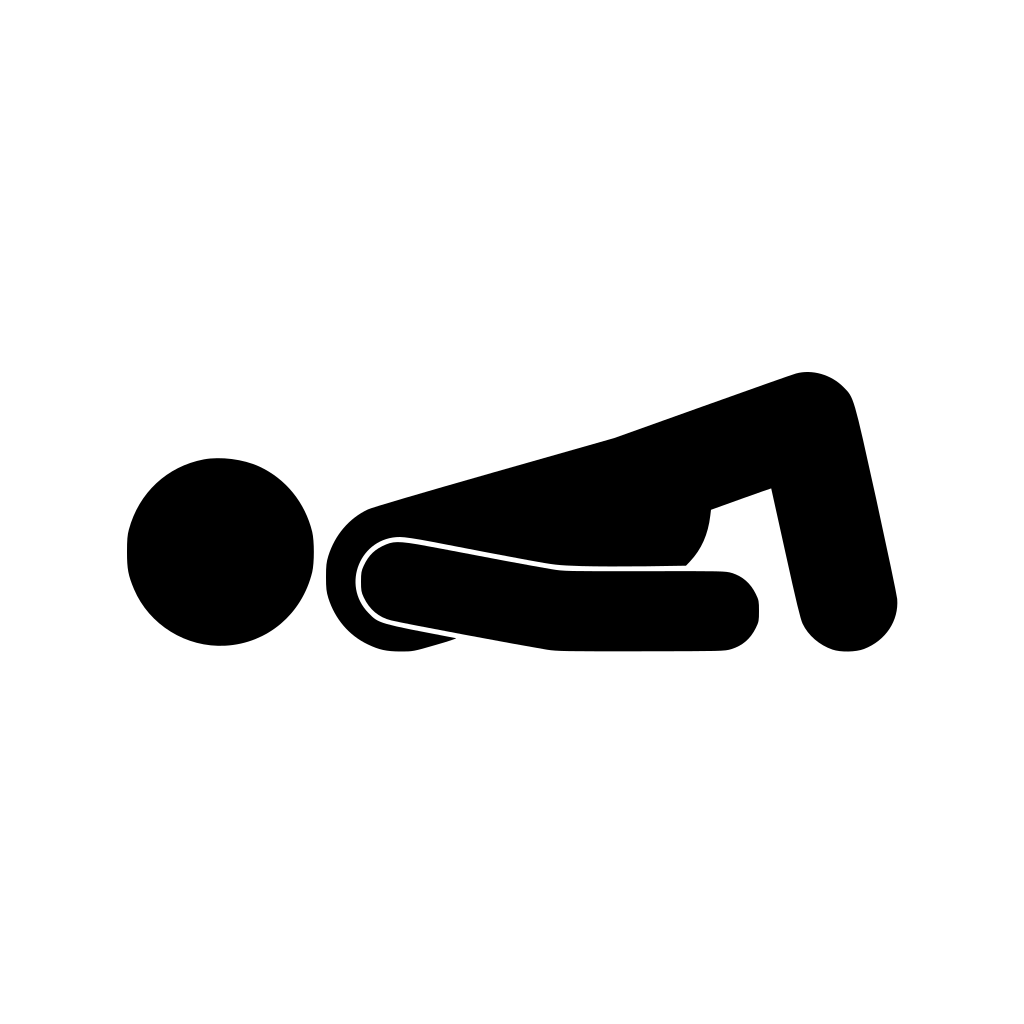 Glute bridge, hip hinge, donkey kick, superman
The back of your body is easy to forget without weights. A glute bridge or hip hinge covers it.
Core
-
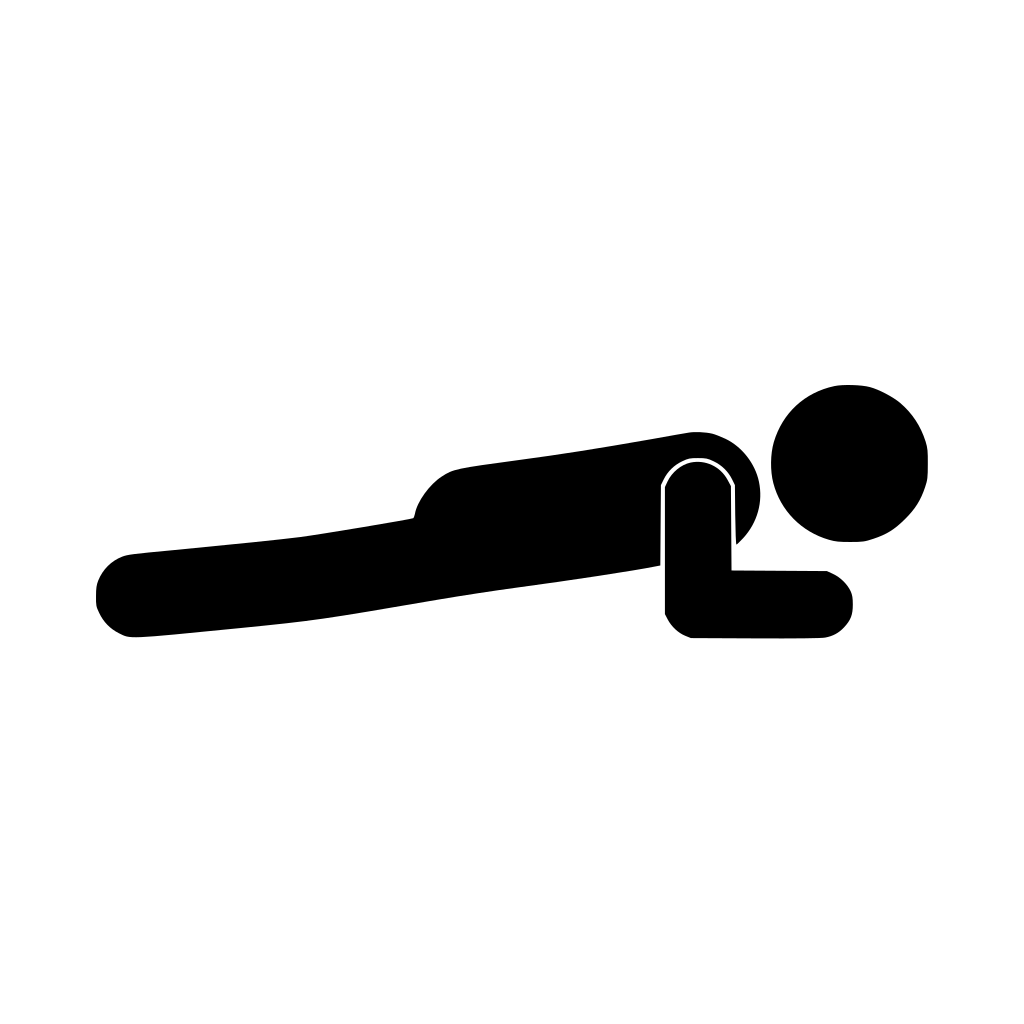 Plank, side plank, bird dog, crunch, bicycle crunch, leg lift
Mix a hold, such as a plank, with a moving exercise, such as a bicycle crunch.
Heart rate (optional)
-
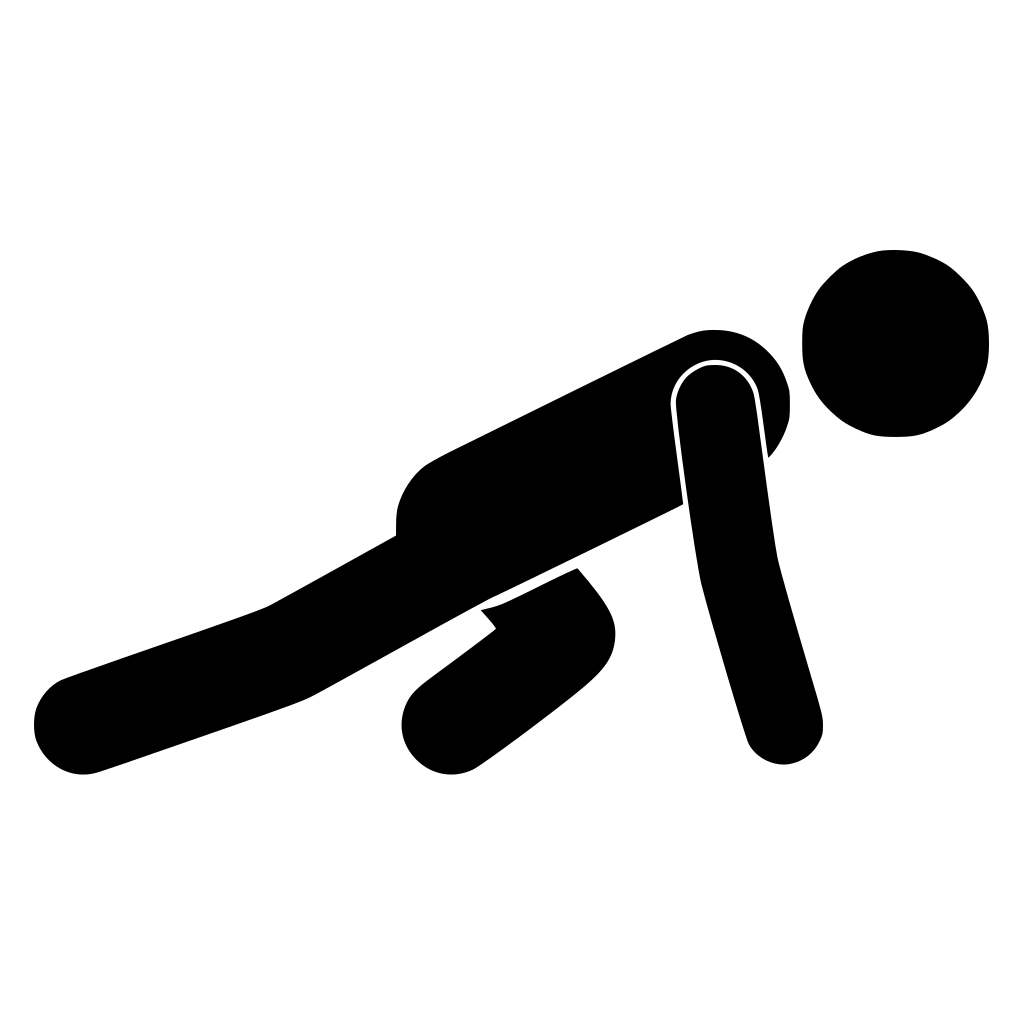 Mountain climbers, jumping jacks, burpees, squat jumps, knee raises
Add one or two if you want the workout to feel like cardio. Knee raises are the quiet choice.
Five exercises is a good number to start with. More than eight gets hard to remember and doesn't add much.
Step 2: put them in a sensible order
Alternate body parts so one area rests while another works: legs, then push, then core, then hinge, then heart rate. Back-to-back exercises for the same muscles, like squats into lunges, tire them out fast, which makes the second one sloppy. Put the move you find hardest early, while you're fresh, and save holds like planks for when you're a little tired, since they need less coordination.
Step 3: choose work, rest and rounds
Timed sets are the easiest way to run a home workout, because you don't have to count. Pick a work and rest time to suit your fitness:
| Level | Work / rest | Rounds of 5 moves | Total |
|---|---|---|---|
| Starting out | 30 s / 30 s | 2 | About 11 min |
| Getting fitter | 40 s / 20 s | 3 | About 17 min |
| Fit | 45 s / 15 s | 4 | About 23 min |
The totals include a minute's rest between rounds. You can also run it the other way round: do all the sets of one exercise before moving to the next. That suits strength-focused sessions, where you want to work one area hard. Going round the whole circuit keeps your heart rate higher.
Add two or three minutes of easy movement first, such as marching on the spot, arm circles and a few slow squats, and a couple of minutes of stretching at the end.
Three example workouts
Full body, 11 minutes (starting out)
Squat, push-up from your knees, plank, glute bridge, knee raises. 30 seconds on, 30 off, two rounds.
Full body, 17 minutes (getting fitter)
Lunge, push-up, bicycle crunch, hip hinge, mountain climbers. 40 seconds on, 20 off, three rounds.
Strength focus, about 20 minutes
Side lunge, tricep dip, glute bridge, side plank, wall sit. 45 seconds on, 15 off. Do three sets of each exercise before moving on, with a minute's rest between exercises.
Step 4: change it as you improve
When the last round stops being hard, change one thing at a time: add a round, shorten the rests, lengthen the work, or swap an exercise for a harder version, like full push-ups for knee push-ups or a side lunge for a squat. Every month or so, change a couple of the exercises anyway, so you keep learning new movements and don't get bored.
If an exercise hurts, as opposed to feeling hard, swap it for another from the same group. That's the advantage of building your own: nothing has to stay in it.
Building it in Streaks Workout
In Streaks Workout, tap New Workout and you get two ways to build one:
- Customize Everything lets you set out the whole workout. Add each exercise as a timed or counted set and choose how long it lasts, add rest sets, and drag them into order. Under Repeats, choose how many rounds you want and whether to repeat the entire workout or each exercise in turn, with the rest between rounds or sets.
- Random Workout builds a new workout each time from the exercises you choose. Set the length, from 1 to 60 minutes, pin any exercises you always want included, and let the app pick the rest.
You can mix the 30 built-in exercises with your own. To add one, tap Add Exercise on the Exercises screen, give it a name, and choose an icon or one of your own photos. You can edit the built-in workouts too. Your workouts sync through iCloud, so one you build on your iPhone is ready on your iPad, Apple Watch and Apple TV.
More guides
Build your own workouts from 30 bodyweight exercises, or your own, with voice coaching to take you through them. A one-time purchase, with no subscription.