You don't need a gym, equipment or anyone watching to get fitter. A few bodyweight exercises on your own floor, a few times a week, build real strength and fitness, and starting at home lets you learn the moves, find your level and make mistakes in private.
This guide is for anyone who's put off exercise because the gym feels like the wrong place for them. It covers why starting at home works, five beginner exercises, a 10-minute first workout, and how to keep going without judging yourself.
Why the gym puts people off
If walking into a gym makes you uneasy, you're far from alone. The reasons are usually the same: feeling watched, not knowing how to use the equipment, worrying about doing a move wrong in front of people who seem to know what they're doing, and the time and cost of getting there at all.
None of those has anything to do with whether you can get fitter. They're about the setting. Take the setting away and most of the reasons go with it. At home nobody sees your first, wobbly push-up, there's no equipment to work out, and the trip takes no time.
Does exercise without equipment actually work?
Yes, especially when you're starting out. Your body weight is plenty of resistance for a beginner: a squat loads your legs with most of your weight, and a push-up from your knees asks a lot of your chest and arms the first time.
It helps your heart and lungs too. In one study from McMaster University, inactive young adults did an 11-minute bodyweight routine three times a week for six weeks. Their aerobic fitness improved compared with a group that didn't train, with no equipment beyond the floor (Archila and colleagues, 2021). It was a small study, but it fits with what's known about short, hard-ish exercise: it works when you do it regularly.
The point isn't that home workouts beat the gym. It's that you can start without one, and for a lot of people the start is the hard part.
Five exercises to start with
These cover your legs, chest and arms, back and core. Every one has an easier version, so begin there if you need to. Doing an easier version well counts for more than struggling through a harder one.
-
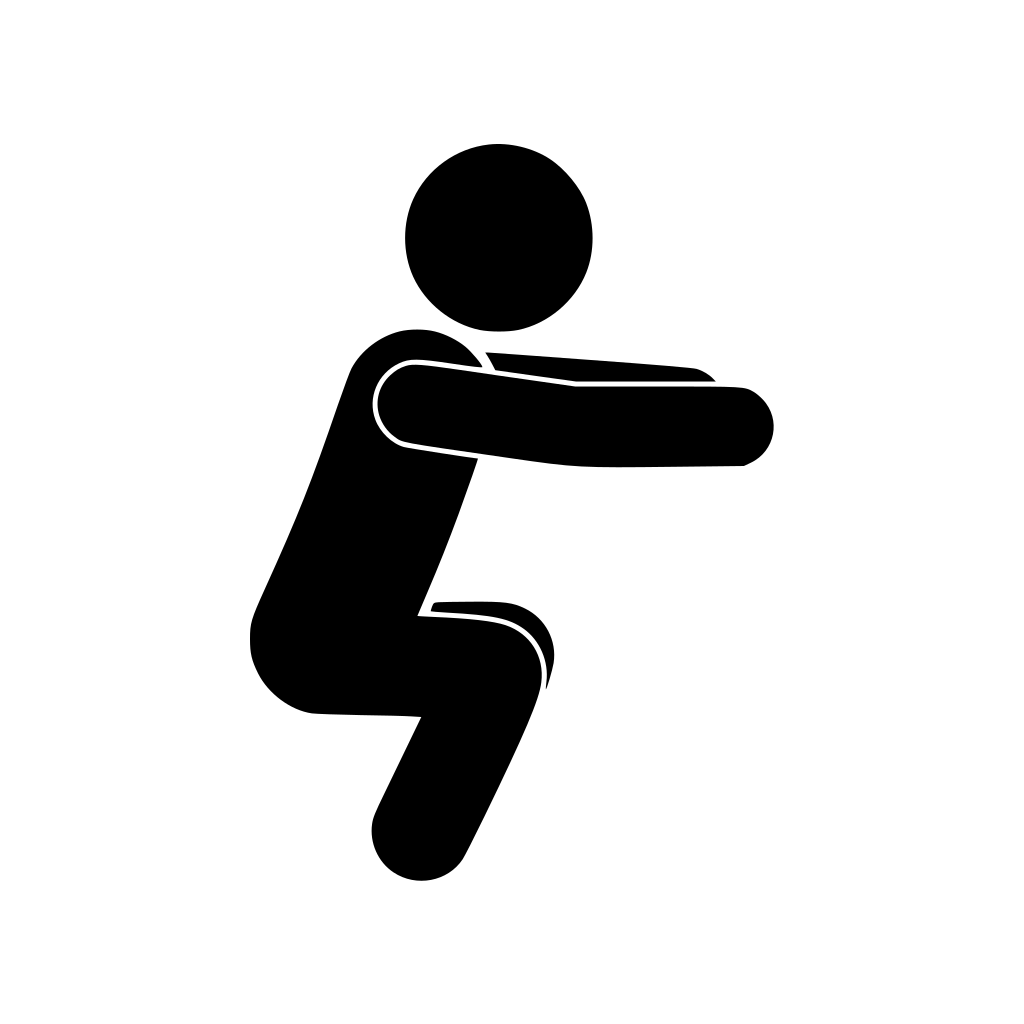 Squat
Feet about shoulder width apart, sit back and down as if onto a chair, then stand. Easier: squat down onto a real chair and stand back up.
-
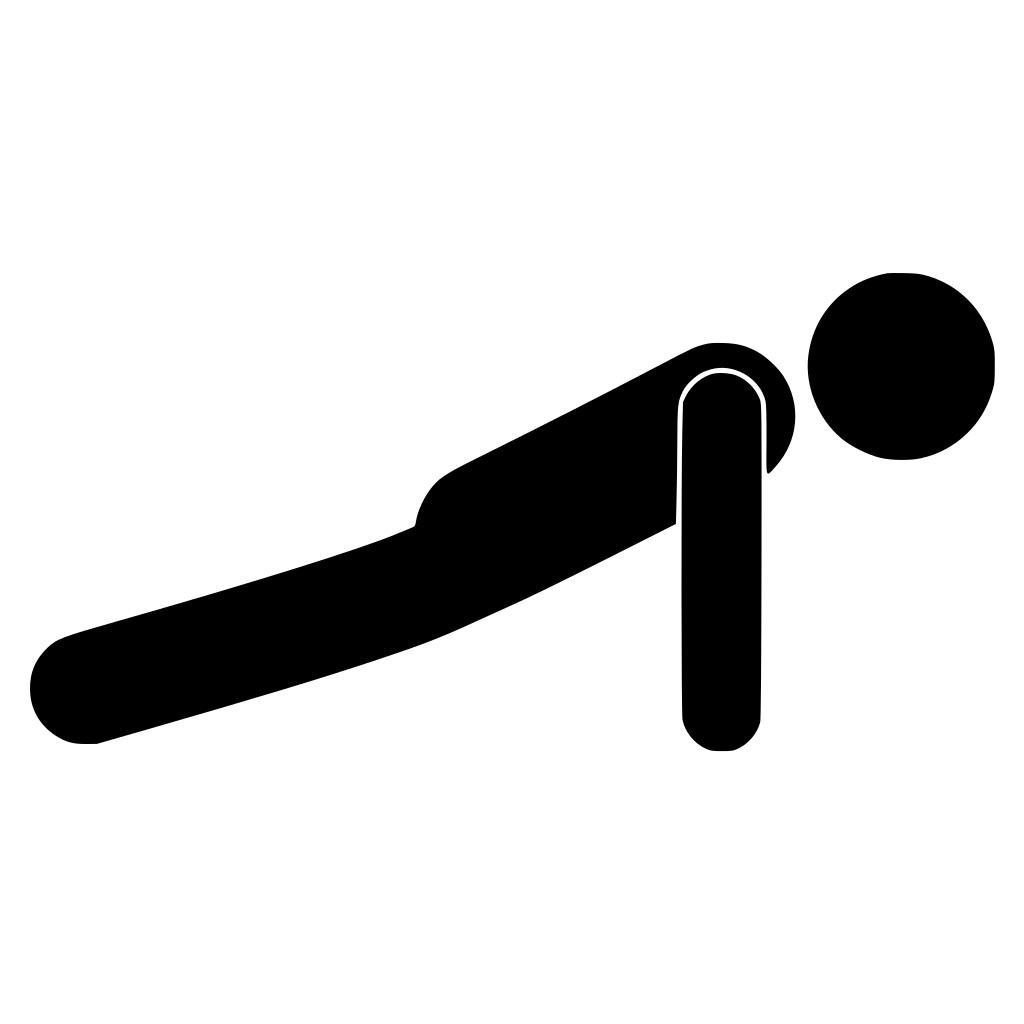 Push-up
Hands a little wider than your shoulders, body straight, lower your chest towards the floor and push back up. Easier: from your knees, or with your hands on a kitchen bench or a wall.
-
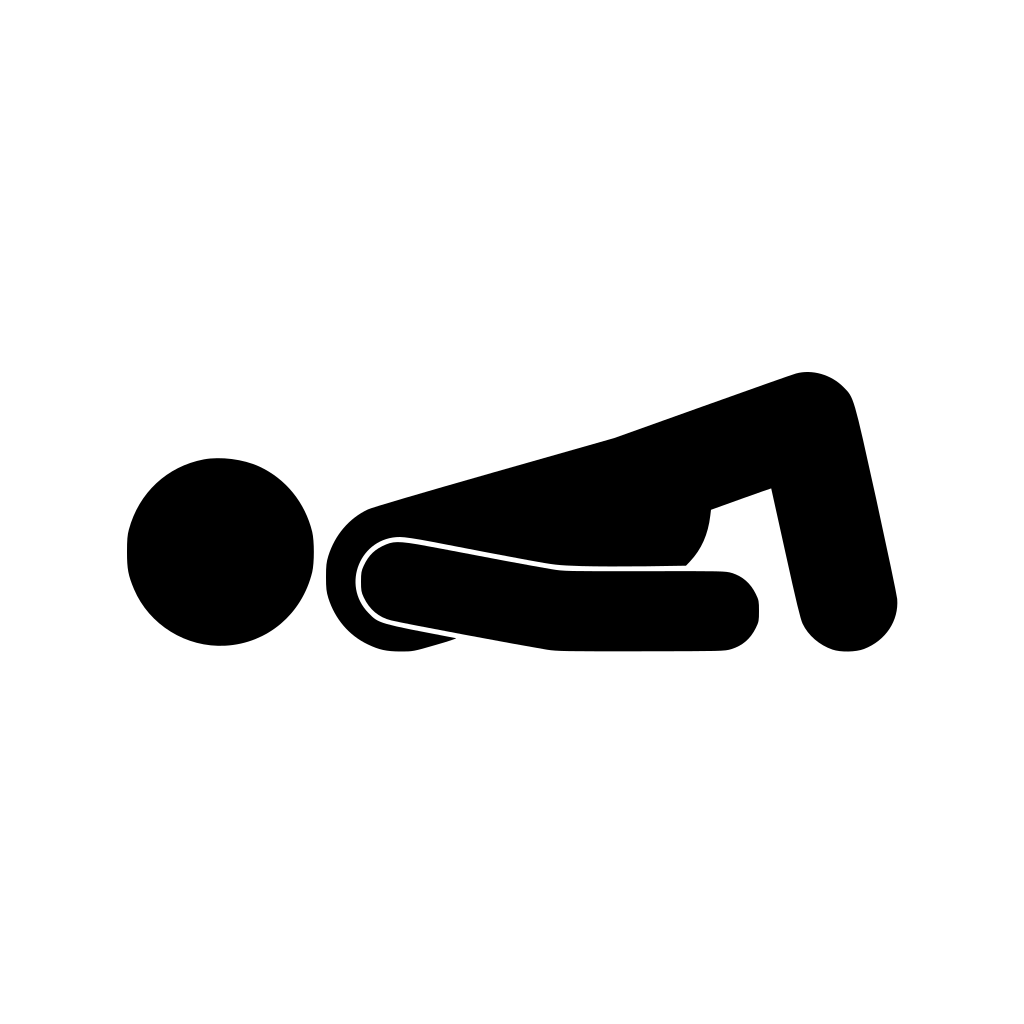 Glute bridge
Lie on your back with knees bent and feet flat. Push through your heels to lift your hips, squeeze, and lower slowly. It's gentle on the knees and a good way into strength work.
-
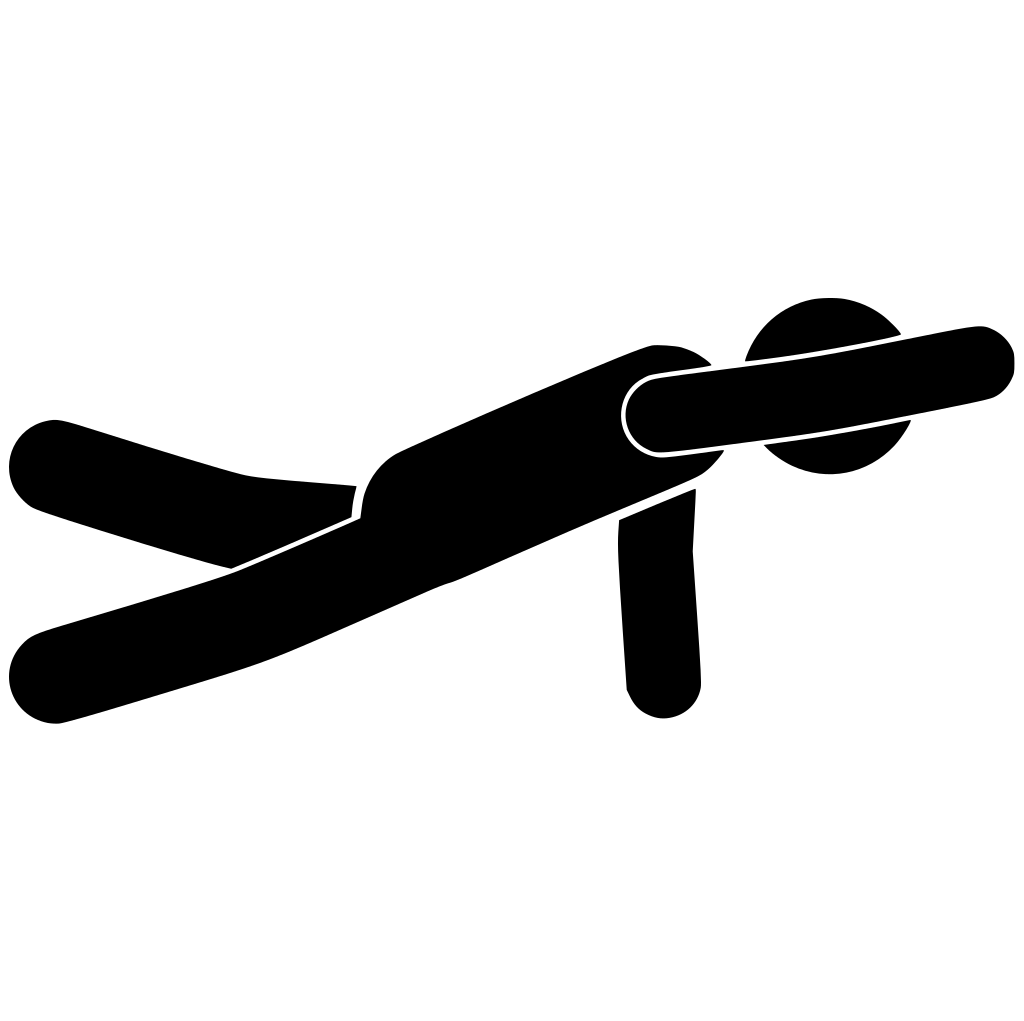 Bird dog
On hands and knees, reach one arm forward and the opposite leg back, hold for a moment, and switch. Easier: move just the arm, or just the leg.
-
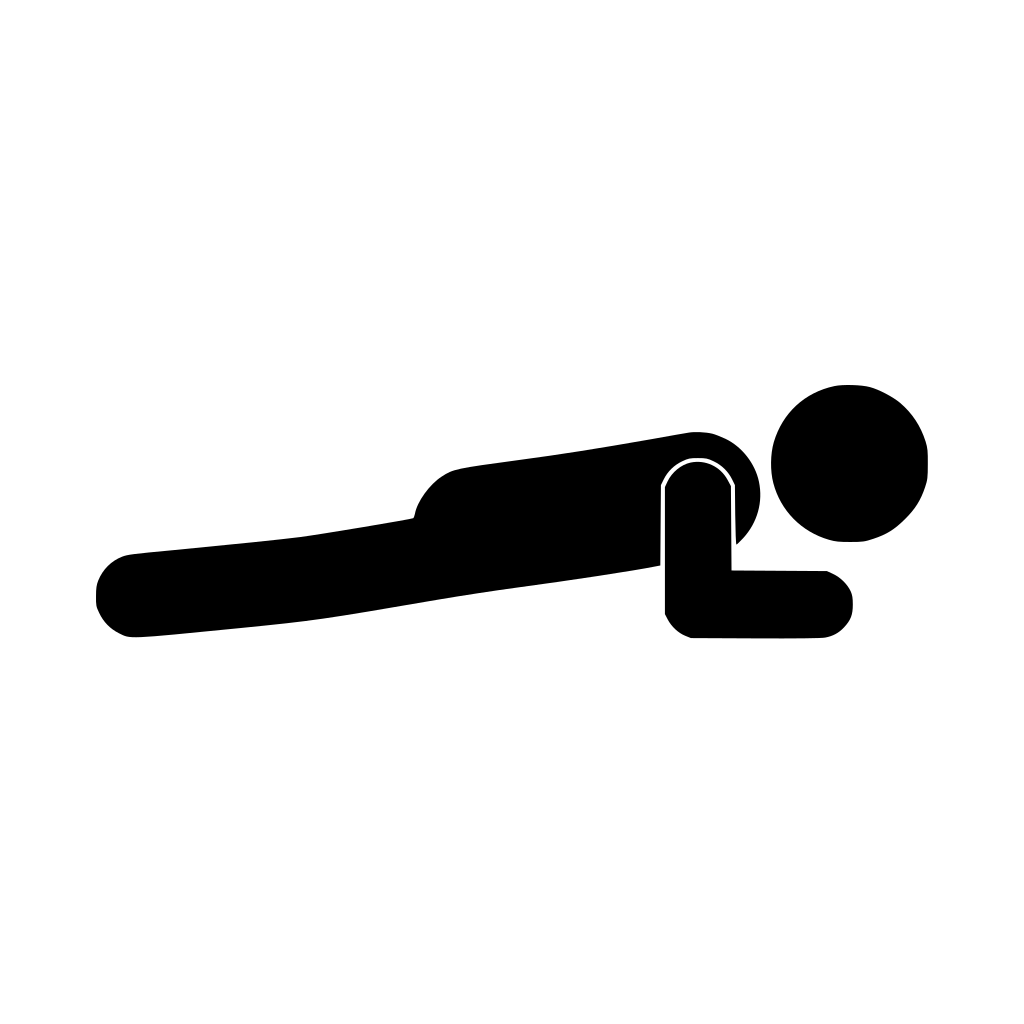 Plank
On your forearms, body straight from head to heels, and hold. Easier: from your knees. Even 10 seconds is a start.
Your first workout: 10 minutes
Do each exercise for 30 seconds, then rest for 30 seconds. Go through all five, then do them once more. It takes ten minutes, and you can stop after one round if that's enough for today.
| Move | Time | Notes |
|---|---|---|
| 1. Squat | 30 s | Onto a chair if you like. |
| 2. Push-up | 30 s | From your knees or against a bench. |
| 3. Glute bridge | 30 s | Slow on the way down. |
| 4. Bird dog | 30 s | Alternate sides. |
| 5. Plank | 30 s | Rest on your knees whenever you need to. |
| Repeat | Go through all five once more. |
Rest 30 seconds after each move. Aim for three sessions in your first week, on days that aren't back to back. You should finish feeling like you've worked, not wrecked. If you could do the whole thing again, next time make the work a little longer or the rest a little shorter.
Make it private and easy to start
- Pick a time when you'll have the space to yourself, such as before everyone's up or once the house is quiet.
- Find one spot with room to lie down and stretch your arms. A rug or towel is all the gear you need.
- Wear whatever you're comfortable in. Nobody's looking.
- Put headphones on if it helps you shut the rest of the house out.
- Keep it short. A workout you'll actually do beats a longer one you keep putting off.
Keep going without judging yourself
The only comparison that matters is with yourself a few weeks ago. Count the sessions you do, not how they looked. A streak of short workouts is worth more than one heroic effort followed by a fortnight off.
Some soreness a day or two after a new exercise is normal and fades as you get used to it. Sharp pain isn't: stop and swap that move for another. Missing a day doesn't undo anything, so just do the next one. And if you have a health condition, an injury, or haven't exercised in a long time, check with your doctor before you start.
When ten minutes starts to feel comfortable, that's progress. Add a third round, try the harder version of a move, or take on a longer workout.
Starting with Streaks Workout
We built Streaks Workout to be the workout you don't dread, and to be non-judgemental. There's no one on screen to keep up with: a voice coaches you through each exercise, you choose the length and the moves, and you can use it on your iPhone, iPad, Apple Watch, or the TV in your own living room with Apple TV. Your streak keeps count of the days you show up.
The Fresh Start Workout Pack is free and made for this stage. Its five gentle workouts include The Starter Pack, which covers the basic movements one round at a time, and Easy Does It, which is quiet strength work with no jumping.
Sources
- Archila LR, Bostad W, Joyner MJ, Gibala MJ. Simple bodyweight training improves cardiorespiratory fitness with minimal time commitment: a contemporary application of the 5BX approach. International Journal of Exercise Science. 2021;14(3):93–100. PubMed Central
More guides
Short, no-equipment workouts at your own pace, with the free Fresh Start pack for beginners. A one-time purchase, with no subscription.