You can start yoga at home with a mat or a rug and about 15 minutes. Learn a few basic poses first, hold each one for a few slow breaths, and use the easier versions until they feel steady. You don't need to be flexible to begin.
We make a workout app, not a yoga school, so treat this as a starting point. If you can get to a class, even for a few lessons, a teacher can check your form in a way a web page can't.
What do you need to start yoga at home?
You need enough floor to lie down with your arms stretched overhead, and something that stops your hands and feet slipping. A yoga mat grips best. A rug is fine for the floor poses but can slide in downward dog and the standing poses.
- Clothes: anything you can stretch in. Bare feet grip best.
- A cushion or folded blanket: to sit on for forward folds, or to kneel on.
- A thick book or two: they work as a yoga block in triangle pose.
- A wall or a sturdy chair: to hold while you learn to balance.
How should you breathe in yoga?
Breathe slowly, through your nose if that's comfortable, and keep breathing in every pose. If you catch yourself holding your breath, ease off a little. In cat-cow, breathe in as you lift your chest and out as you round your back.
Which yoga poses should beginners learn first?
These poses are a good base, and each has an easier version. Use it for as long as you need to.
On your hands and knees
-
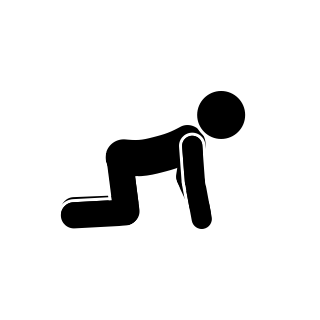 Cat-cow
On hands and knees, wrists under shoulders and knees under hips. Breathe in as your belly sinks and your chest lifts, then breathe out as you round your back towards the ceiling. Easier: make the movement smaller, with a towel under your knees.
-
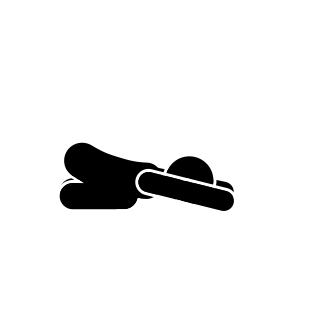 Child's pose
From your hands and knees, sit your hips back towards your heels, stretch your arms forward and rest your forehead down. Come back here whenever you need a rest. Easier: knees wider, or a cushion between your hips and heels.
-
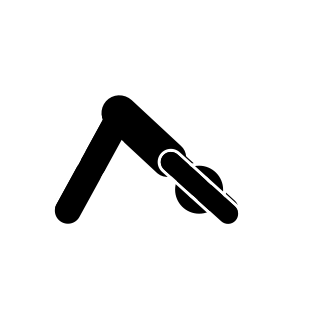 Downward dog
From your hands and knees, tuck your toes and lift your hips up and back into an upside-down V. Press through your hands and let your head hang. Easier: bend your knees. Your heels don't need to touch the floor.
-
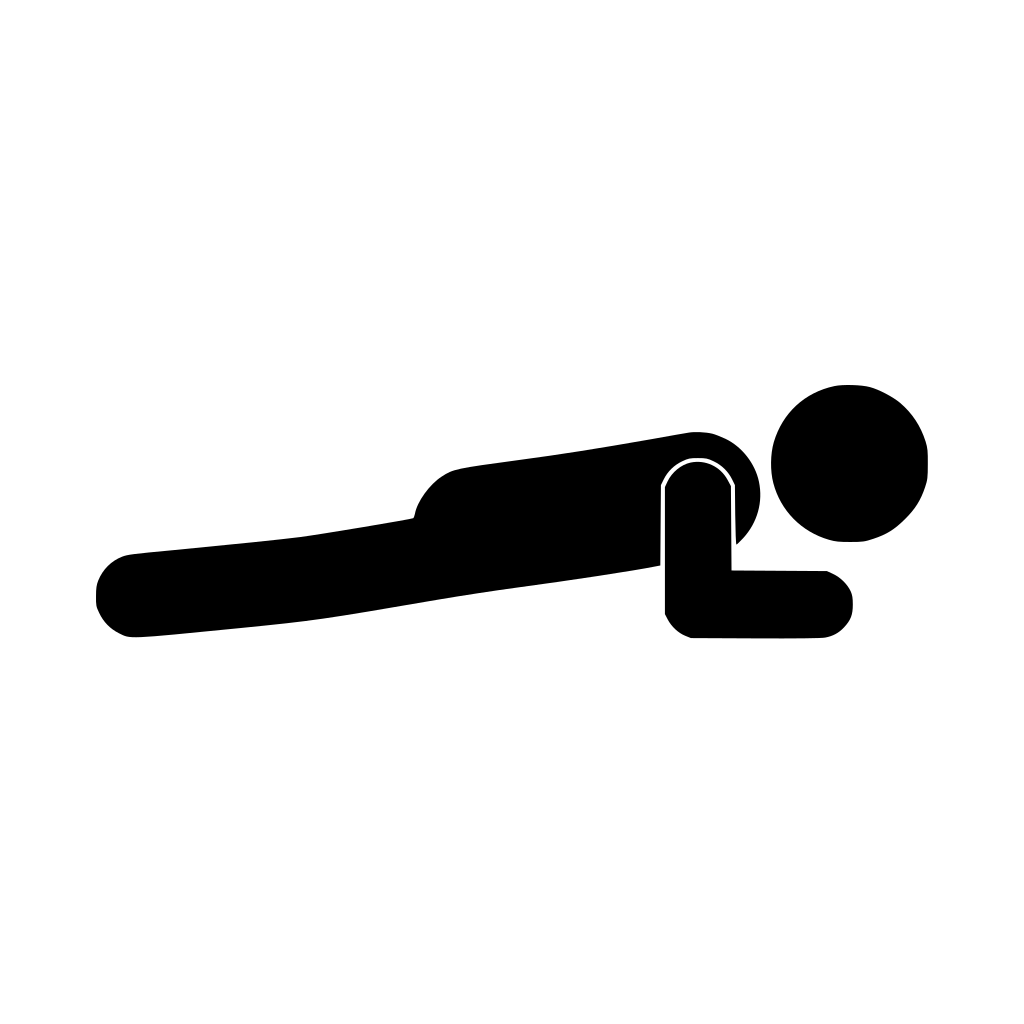 Plank
It often links downward dog and cobra in a flow. Hold a straight line from head to heels, on your hands or your forearms. Easier: knees down.
-
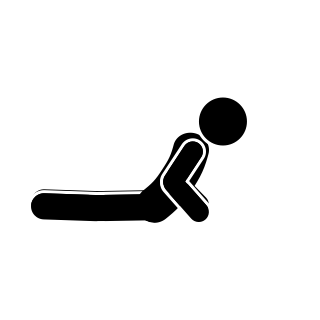 Cobra
Lie face down with your palms under your shoulders. Lift your chest with your back muscles rather than pushing with your arms, and keep your hips down. Easier: lift only a little, or rest on your forearms.
Standing
-
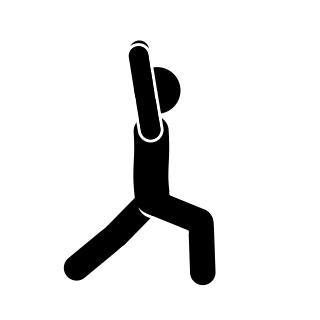 Warrior I
Step one foot well back, turn it out a little and face your hips forward. Bend your front knee over your ankle and reach your arms up. Easier: a shorter step and less bend.
-
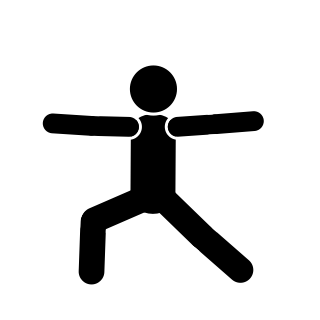 Warrior II
Feet wide, front foot forward, back foot sideways. Bend your front knee over your ankle, stretch your arms out level with the floor and look past your front hand. Easier: a narrower stance, or hands on your hips.
-
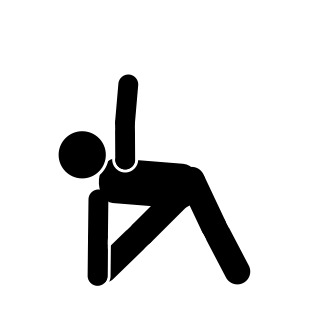 Triangle pose
Feet wide and legs straight (knees soft, not locked). Reach forward over your front leg, then tip down and rest your hand on your shin or a book, not your knee, with the other arm up. Easier: your hand higher up your leg or on a chair.
-
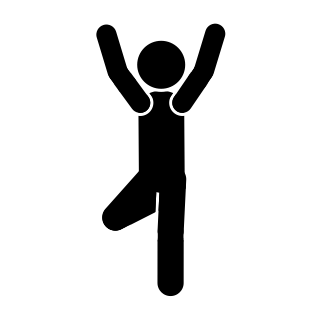 Tree pose
Stand on one leg with the other foot on the inside of the standing leg, above or below the knee but never on it. Look at one spot. Easier: your heel on your ankle with toes on the floor, and a hand on the wall.
Sitting and lying down
-
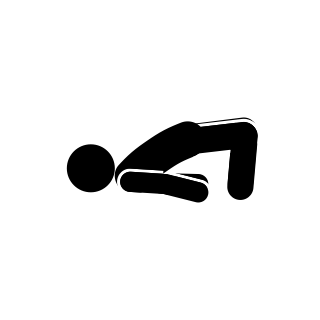 Bridge pose
Lie on your back, knees bent and feet flat. Press through both feet to lift your hips, keeping your knees in line with your ankles. Easier: lift only partway.
-
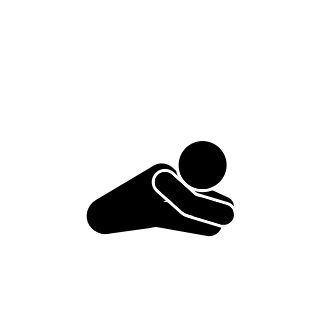 Seated forward fold
Sit with your legs straight out in front and fold forward from your hips, leading with your chest, not your head. Easier: bend your knees as much as you need and sit on a cushion.
-
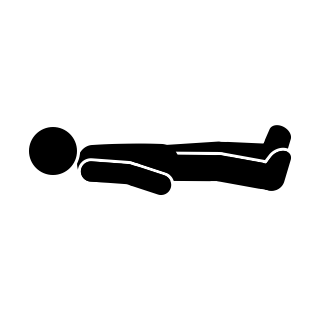 Corpse pose
Lie on your back with your feet falling open and palms up. Soften your face and breathe normally. Easier: a cushion under your knees.
A 15-minute first flow
This flow uses every pose above, from gentle floor poses to standing poses and back down. Hold each pose for the time shown, or about five slow breaths, and do the standing poses on both sides. With the moves between poses, it takes 12 to 15 minutes.
| Pose | Time | Notes |
|---|---|---|
| 1. Cat-cow | 1 min | Slow, with your breath. |
| 2. Child's pose | 45 s | Let your breathing settle. |
| 3. Downward dog | 45 s | Knees bent is fine. |
| 4. Plank | 20 s | Knees down if you need to. |
| 5. Cobra | 30 s | Keep it low. |
| 6. Child's pose | 30 s | Then come up to standing. |
| 7. Warrior I | 30 s a side | Front knee over the ankle. |
| 8. Warrior II | 30 s a side | Shoulders relaxed. |
| 9. Triangle pose | 30 s a side | Hand on your shin or a book. |
| 10. Tree pose | 30 s a side | A hand on the wall is fine. |
| 11. Bridge pose | 40 s | Lower slowly. |
| 12. Seated forward fold | 45 s | Knees bent if you need. |
| 13. Corpse pose | 2 min | Breathe normally. |
For a longer session, repeat poses 3 to 6. To wind down in the evening, do only the floor poses.
How often should beginners do yoga?
A short session a few times a week is a realistic start. Once the flow feels familiar, add a session or make each one longer. Our guide to starting to work out at home has more on building a routine you'll keep.
What to expect in the first few weeks
The first few sessions will probably feel awkward. You'll be checking what comes next, downward dog may feel tight, and you'll wobble in tree pose. That's normal.
With regular practice, the poses usually start to feel more familiar after a few weeks. If you want to measure progress, compare with how a pose felt for you last week rather than with photos of other people.
How to do yoga safely at home
Yoga is generally considered safe for healthy people when it's done properly, according to the US National Center for Complementary and Integrative Health (NCCIH). The most common injuries are sprains and strains.
- Don't push into pain. A stretch should never feel sharp or pinching. Ease off, or use the easier version.
- Skip the advanced poses. The NCCIH suggests beginners avoid headstands, shoulder stands, the lotus position and forceful breathing.
- Injured, or have a health condition? Check with your doctor or physio first. Some poses may need changing or leaving out.
- If you're pregnant, talk to your doctor or midwife first and look for a pregnancy class. The NCCIH advises avoiding hot yoga and poses that involve long periods lying on your back, so bridge and corpse pose don't suit as written here.
The NCCIH also notes that learning yoga on your own without supervision has been linked with higher risk. That's a good reason to take a few lessons if you can, even if you mostly practise at home.
The Flow State pack
Apart from plank (built into the app), the poses in this guide make up Flow State, a Workout Pack in Streaks Workout. It has four workouts built from them, and none need equipment:
- Sun Salute Flow: a steady flow through the basic poses, with a plank.
- Balance & Breath: slow standing balances, then a long, quiet finish on the floor.
- Warrior Flow: the warrior poses, triangle and tree, twice through. It's the one marked a little harder.
- Evening Unwind: slow floor poses for before bed.
Each pose is animated, and you can add the poses to your own workouts too.
Common questions
Can you learn yoga at home as a beginner?
Yes. Start with a few basic poses, use the easier versions and keep your sessions short. A class or a few lessons is still worth it if you can, because a teacher can see your form.
Do I need to be flexible to start yoga?
No. Bend your knees in downward dog and forward folds, and use a cushion or a book wherever the floor feels too far away. Flexibility varies a lot between people, so go by how the pose feels, not how it looks.
How long should a beginner yoga session be?
Ten to fifteen minutes is plenty to start with. The first flow in this guide takes 12 to 15 minutes, including the moves between poses.
Do I need a yoga mat?
Not to start. A rug is fine for the poses on the floor. A mat helps most in downward dog and the standing poses, where your hands and feet can slide.
Sources
- National Center for Complementary and Integrative Health. Yoga: effectiveness and safety. Last updated August 2023. nccih.nih.gov
More guides
Short home workouts with voice coaching, and the Flow State pack for beginner yoga flows. A one-time purchase, with no subscription.