The easiest way to exercise with your kids is to do your own workout and let them join in. Pick moves they can copy by watching, like jumping jacks, star jumps, squats and planks, keep each one short, and let them drop in and out as they like. If you have an Apple TV, put the workout on the big screen so everyone follows the same figure.
This guide covers how much activity kids need, which moves are easiest to copy, how to turn it into a game, a 12-minute session to try, and setting it up on the TV.
How much exercise do kids need?
Children and teens aged 5 to 17 should do at least 60 minutes of moderate to vigorous activity every day. The Australian guidelines describe it as activity "that makes the heart beat faster", and add "More is better." It doesn't have to happen in one go either: "several shorter sessions through the day work too." The NHS and the CDC recommend the same 60 minutes a day.
Toddlers and preschoolers need more time moving. The Australian guidelines recommend at least 3 hours of activity a day for children aged 1 to 5, spread through the day rather than all at once.
A family workout is only a small part of that. Most of a child's activity comes from play, sport and getting from place to place. A short session with you is one more part of the day, and the Australian guidelines for young children note that parents and carers "can also be great role models for their children, by being active themselves."
Which moves are easiest for kids to copy?
Big standing moves that look the same from the front are the easiest. Kids learn them by watching you, or the screen, without much explaining. These six suit most ages:
-
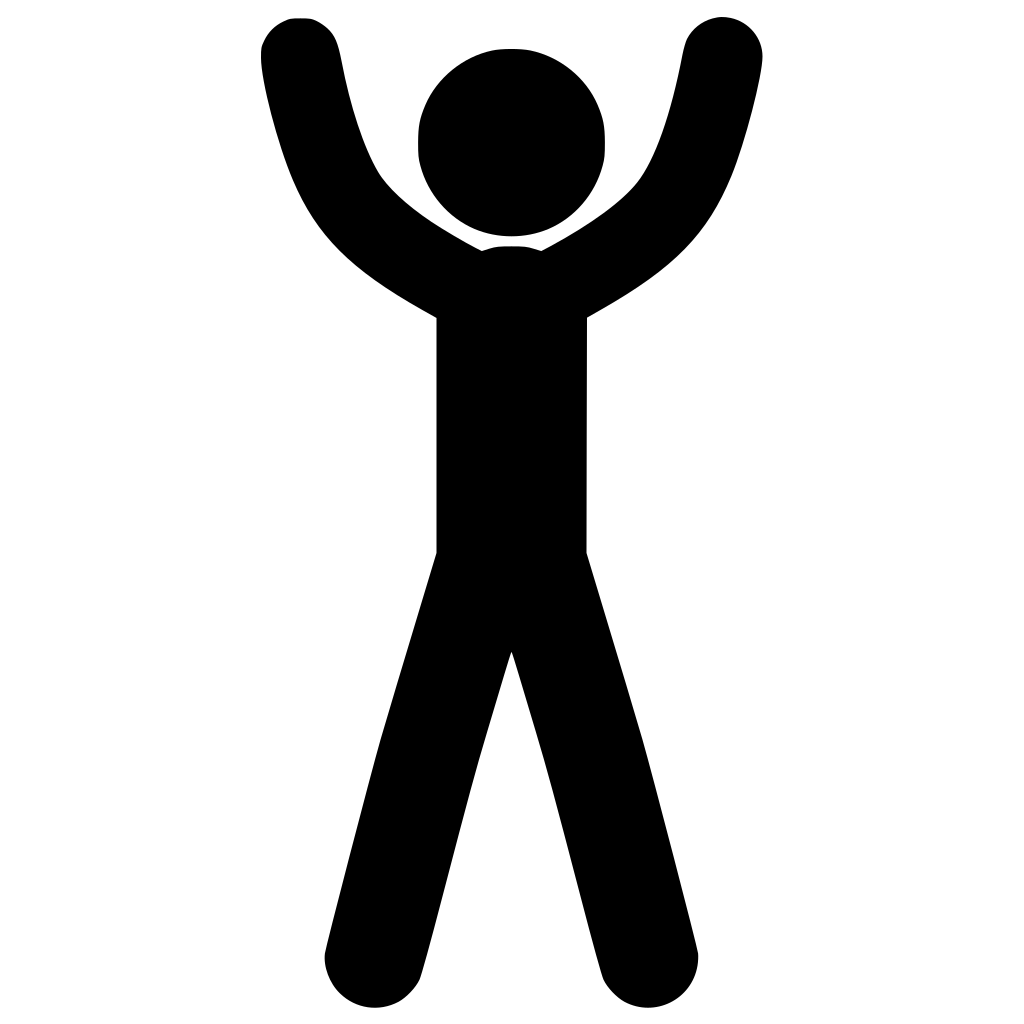 Jumping jacks
Feet out and arms up, then back in. Younger kids often get the arms or the legs going first and put them together later, so let them.
-
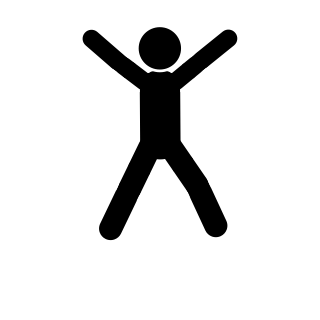 Star jumps
Crouch down, then jump up with arms and legs spread wide like a star. Bring everything back in before landing, and ask them to land as quietly as a cat.
-
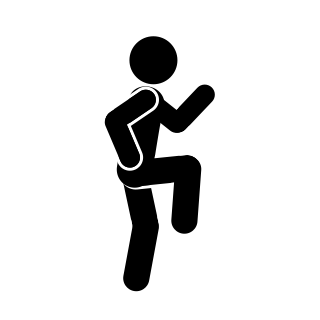 High knees
Run on the spot, lifting each knee up towards hip height and pumping the arms. Hold your hands out flat for their knees to aim at.
-
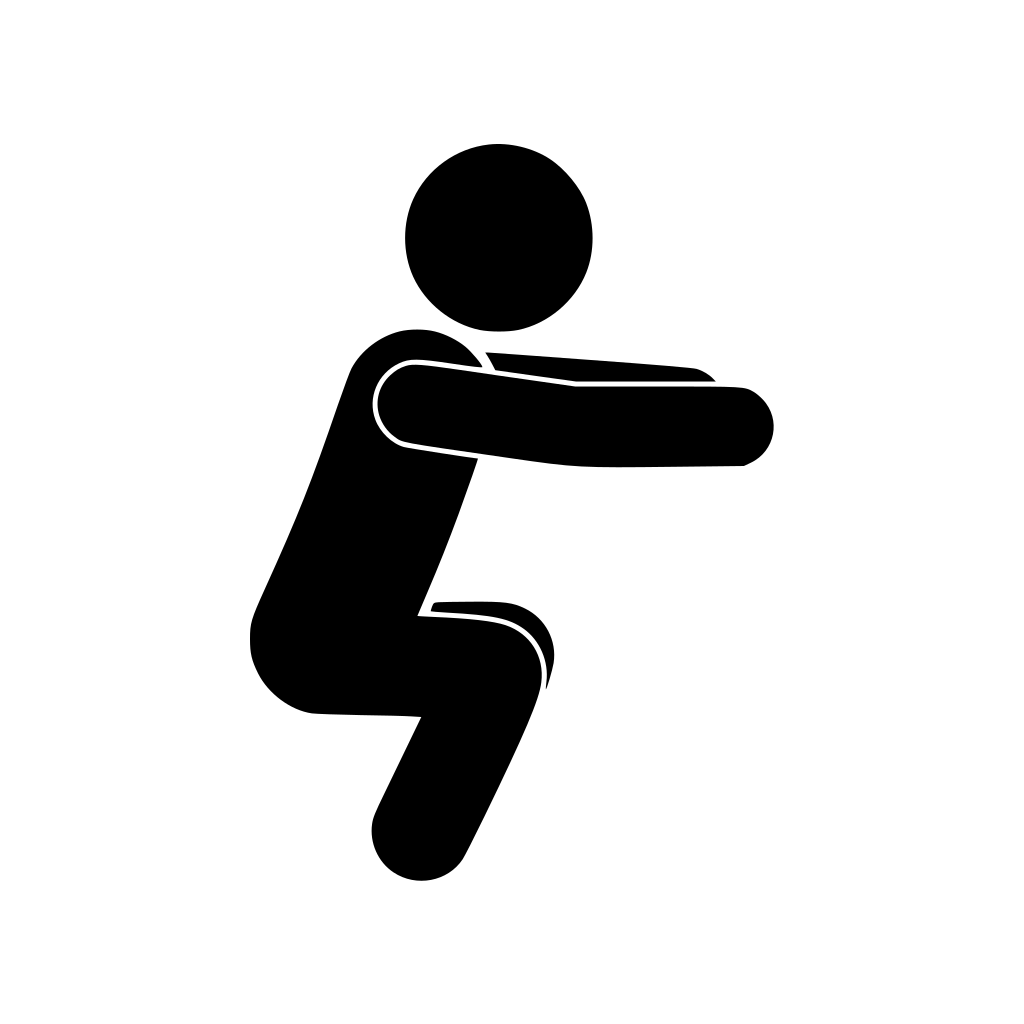 Squats
Feet apart, sit back as if there's a chair behind you, then stand up. For small kids, put a real chair or a cushion behind them to touch each time.
-
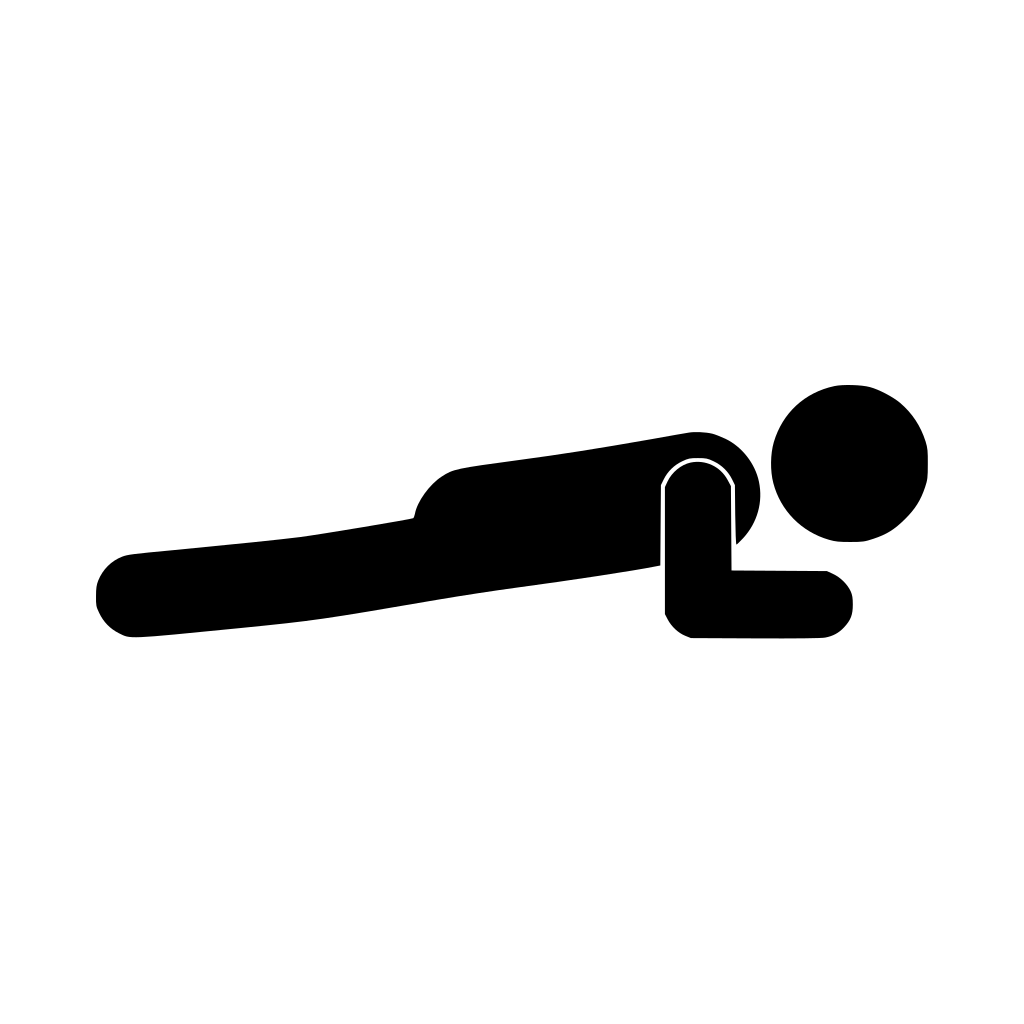 Plank
On forearms or hands, with the body straight from head to heels. Kids can hold it for as long as they like and then rest, and it's a good one for seeing who can hold it longest.
-
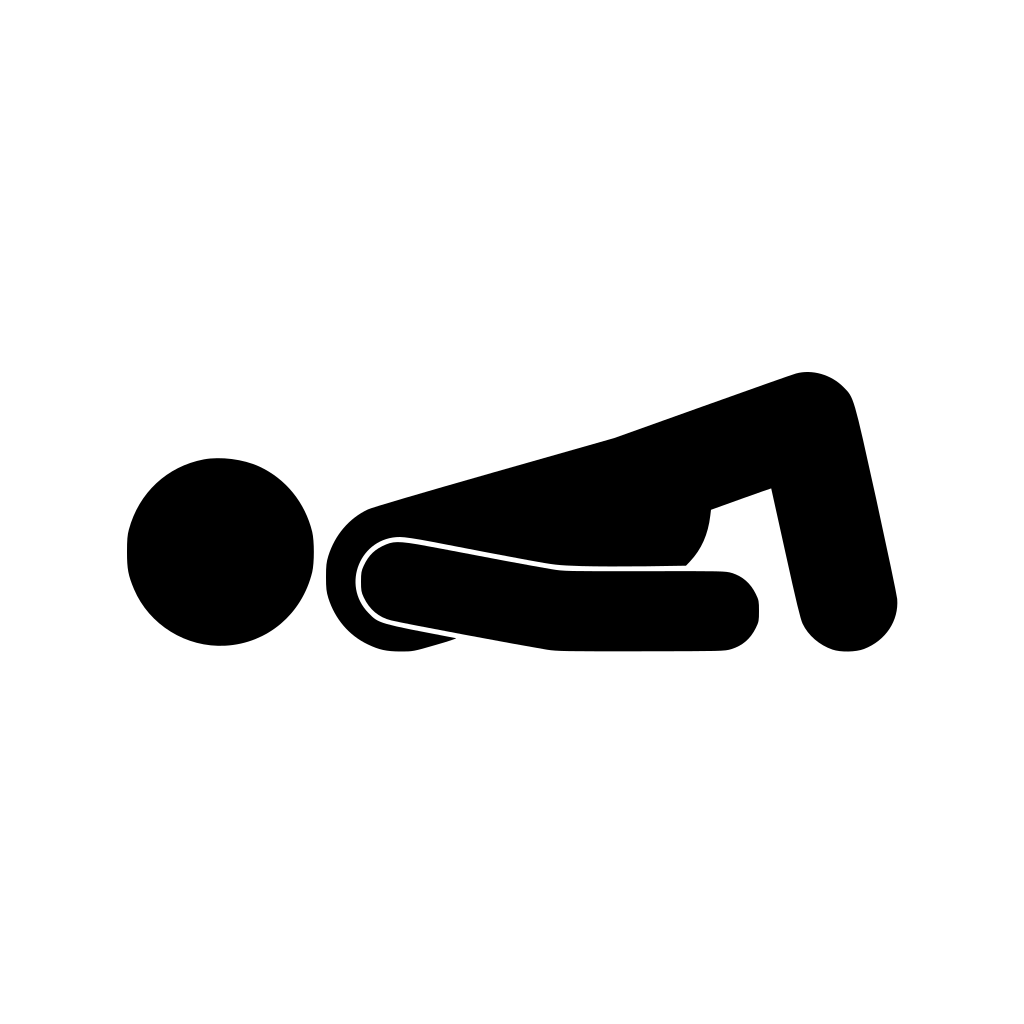 Glute bridge
Lie on your back with knees bent and feet flat, then lift your hips to make a bridge. While it's up, someone can drive a toy car underneath.
Moves that need more balance or coordination, such as bird dogs and side lunges, are harder to copy, so save them for older kids. Put any weights away before the kids join in, and keep the family session to body weight.
Should kids do the whole workout with you?
No. Think of it as your workout with company, and let them join for as much of it as they want. A five-year-old might do three moves and go back to their blocks, and a ten-year-old might stay for all of it.
- Let them do easier versions. Step out to the side instead of jumping, do squats onto a cushion, or hold a plank from the knees.
- Show the move again. Do it where they can see it, rather than fixing every rep. If something looks like it hurts, swap it for another move.
- Keep each move short. Thirty seconds is plenty, with enough rest after it to see what's coming next.
- Clear the space. Move the coffee table, give everyone room to swing their arms, and go barefoot or in shoes, since socks slip on floorboards.
If your child has a health condition or an injury, check with your doctor about what's right for them.
How do you make it a game?
Give the kids a part to play beyond copying you. A few ideas:
- They choose. Let them pick the next move, or the order of all six.
- They're the coach. One child calls out the moves and counts down the last five seconds.
- Freeze. During jumping jacks or high knees, someone calls "freeze" and everyone holds still as a star until they call "go".
- Their music. Play a song they like and change moves every time the chorus comes around.
- A family total. Add up everyone's star jumps and try to beat the total next time, so nobody's racing anyone else.
Our guide to indoor exercise games for kids has more, such as rolling a dice to pick the move.
A 12-minute family workout
Six moves, 30 seconds each, with 30 seconds of rest after each one. Go through the six twice and that's 12 minutes. The long rests give everyone time to catch their breath, and you can work as hard as you like in your 30 seconds while the kids go at their own pace.
| Move | Time | Notes |
|---|---|---|
| Warm-up | 1 min | Arm circles and marching on the spot. |
| 1. Jumping jacks | 30 s | Arms only is fine for little kids. |
| 2. Squats | 30 s | Touch a chair or cushion each time. |
| 3. Plank | 30 s | Kids hold it as long as they like, then rest. |
| 4. High knees | 30 s | Knees up to your hands. |
| 5. Glute bridge | 30 s | Toy car under the bridge. |
| 6. Star jumps | 30 s | Land softly. |
| Repeat | Rest 30 seconds after each move, then go through all six again. |
If you have neighbours below, swap the jumps for marching and stepping out to the side. Our quiet, no-jump workouts guide has more moves that won't shake the floor. When you're done, stretch for a minute or two, or just lie on the floor together until everyone's breathing settles.
Doing it together on the TV
A TV is the easiest way for a whole family to follow one workout. Everyone faces the same screen, the moves are big enough to copy from the back of the room, and nobody's crowding round a phone. Our guide to working out with your Apple TV covers setting up the room.
Streaks Workout has an Apple TV app. It's made for adults, so you do the workout and the kids copy the animated figure on screen while the voice coaching calls out each move. You can build the session above in the app on your iPhone, using the built-in moves plus star jumps and high knees from the free All-Rounder pack and arm circles from the free Shake It Out pack. Add each move as a 30-second set with rest after it, set it to repeat twice, and it syncs to the TV through iCloud. Press Play/Pause on the Siri Remote when someone needs a break.
For your own workouts, the free Fresh Start pack has five gentle sessions, and there are more Workout Packs to buy once if you want them. The app and its Workout Packs work with Family Sharing, so a teenager can use the family's copy on their own iPhone. Our guide to workouts for teens at home has a routine they can do by themselves.
Common questions
How much exercise do kids need a day?
Children and teens should do at least 60 minutes of moderate to vigorous activity every day, according to the guidelines in Australia, the UK and the US. Toddlers and preschoolers should be active for at least 3 hours a day, spread through the day.
Does a family workout count towards my child's 60 minutes?
Yes, if it makes their heart beat faster. The Australian guidelines say the 60 minutes doesn't have to happen all at once, and that several shorter sessions through the day work too.
Is it safe for kids to do squats and push-ups?
The Australian guidelines list push-ups and sit-ups among the muscle and bone strengthening activities for children and young people aged 5 to 17, and the NHS lists sit-ups and press-ups for young people. Stop any move that hurts, and check with your doctor if your child has a health condition or injury.
What age can kids start joining in?
There's no set age. The Australian guidelines have activity recommendations from birth, and say activity for toddlers and preschoolers should be fun and encourage exploration and discovery. A toddler might copy a couple of star jumps and wander off, and that's still joining in.
Sources
- Australian Government Department of Health, Disability and Ageing. Recommendations for children and young people (5 to 17 years). Updated 13 March 2026. health.gov.au
- Australian Government Department of Health, Disability and Ageing. Recommendations for infants, toddlers and preschoolers (birth to 5 years). Updated 13 March 2026. health.gov.au
- NHS. Physical activity guidelines for children and young people. Reviewed 23 October 2024. nhs.uk
- Centers for Disease Control and Prevention. Physical activity recommendations for children. 4 December 2025. cdc.gov
More guides
Short workouts with voice coaching and an animated figure to follow, on iPhone, iPad, Apple Watch and Apple TV. A one-time purchase, with no subscription.