When it's too wet to go outside, a handful of easy moves turned into games will get kids moving in the living room. Roll a dice to pick the move, call out animals for everyone to copy, play freeze dance with jumping jacks, or follow a short circuit on the TV. You need a cleared patch of floor and about 15 minutes.
We make a workout app for grown-ups, not for kids. These are games a parent runs and joins in on, using moves from the app.
How much activity do kids need on a rainy day?
The same as any other day. The Australian guidelines recommend children and young people aged 5 to 17 do "at least 60 minutes each day of moderate to vigorous physical activity that makes the heart beat faster", and add "More is better." The UK (5 to 18) and US (6 to 17) guidelines also say at least 60 minutes a day, and the UK's is an average across the week.
It doesn't need to happen in one go. The Australian guidelines say it "doesn't have to be a full 60 minutes at once" and that "several shorter sessions through the day work too." A 15-minute game in the morning and another after lunch both count.
For preschoolers (3 to 5) the Australian guidelines say at least 3 hours of activity a day, including 1 hour of energetic play, and they suggest "creating fun obstacle courses at home." Toddlers and preschoolers can join any of the games below by copying whatever the big kids are doing.
How do you set up the room?
Push the coffee table back and clear enough floor for everyone to lie down with their arms out. Then:
- Feet: bare feet or shoes with grip. Socks slide on floorboards.
- Space: keep an arm's length between people, especially for star jumps and arm circles.
- Noise: if you're upstairs from someone, leave out the jumping. Our guide to quiet, no-jump workouts has moves that won't shake the floor.
If something hurts, stop that move and pick another. If your child has an injury or a health condition, check with your doctor first.
Game 1: Roll the dice
Roll once to choose the move, then roll again for how many. Younger kids do the number they rolled, older kids double it. Take turns being the roller, and let the roller do the counting out loud.
| Roll | Move | Tip |
|---|---|---|
| 1 | Jumping jacks | Hands meet above your head. |
| 2 | Squats | Sit back like there's a chair behind you. |
| 3 | Star jumps | Arms and legs wide in the air, land softly. |
| 4 | High knees | Each knee counts as one. |
| 5 | Arm circles | Small circles first, then big ones. |
| 6 | Plank | Hold while everyone counts to ten. Knees down is fine. |
Once everyone knows the six moves, swap a few for new ones from the other games. Our guide to easy exercises for kids at home goes through how to teach each move.
Game 2: Animal moves
One person calls out an animal and everyone does its move until the next call. Plenty of exercises already have animal names, which makes this one easy to run:
-
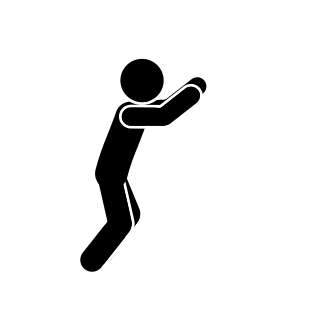 Frog: frog jump
Sink into a deep, wide squat with your hands near the floor, then leap forward and land back in the squat. It needs the most room and makes the most noise, so it's the one to leave out upstairs.
-
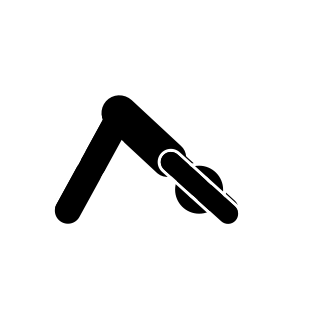 Dog: downward dog
Hands and feet on the floor, hips up high in an upside-down V. Bent knees are fine, and so is wagging your tail.
-
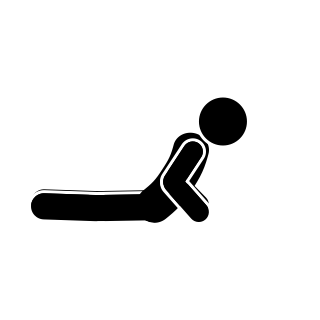 Snake: cobra
Lie on your tummy with your hands under your shoulders and lift your chest a little, hips staying on the floor. Add a hiss.
-
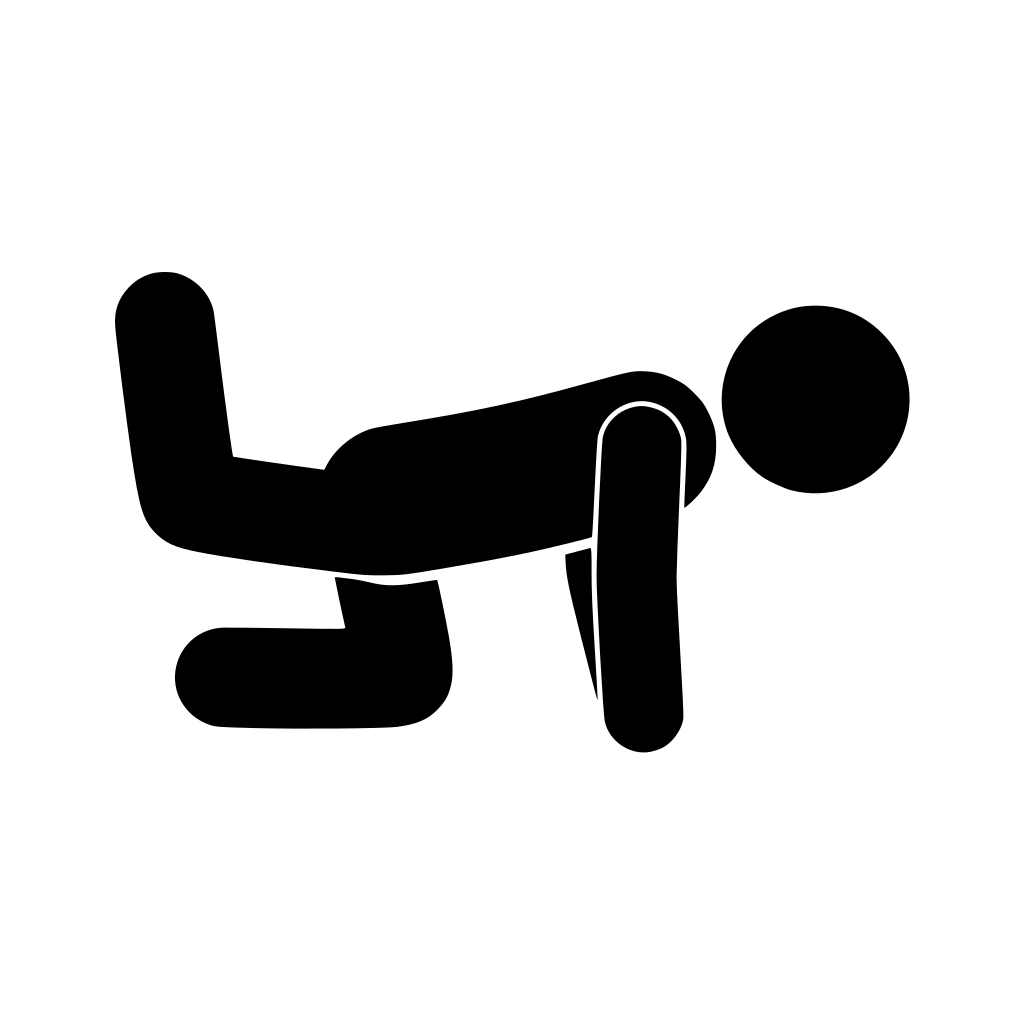 Donkey: donkey kick
On hands and knees, kick one foot up towards the ceiling with the knee bent, then swap legs.
-
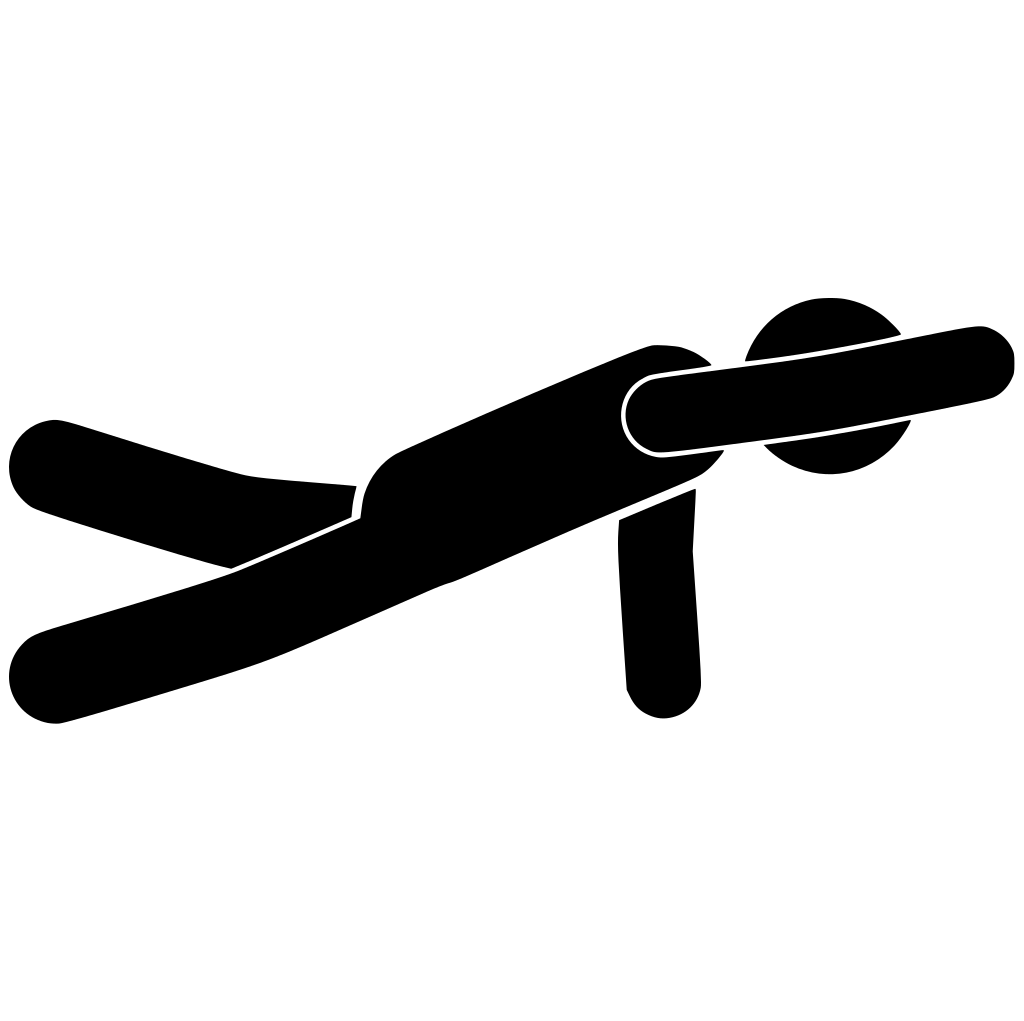 Bird: bird dog
On hands and knees, reach one arm forward and the opposite leg back like a bird about to take off. Hold, then swap sides.
For a bear, try a bear crawl hold: on all fours, lift your knees a few centimetres off the floor and hold still with a flat back. Cat-cow, from yoga, makes a good cat (and a cow). Make the animal noises if you like.
Game 3: Freeze dance with jumping jacks
Put on music and everyone dances. When the music stops, everyone freezes. Whoever's on the music then calls a move, such as five jumping jacks, three squats or one big star jump, and everyone does it before the music starts again.
In the usual version, anyone who moves during a freeze is out, which leaves the first one out on the couch for the rest of the game. In this version nobody's out. Everyone does the move after each freeze. For a calmer round, call a pose to freeze in instead, like a squat, a plank or tree pose.
Dancing counts too. The Australian guidelines list dancing among their examples of moderate to vigorous activity, and the NHS lists it as moderate activity.
Game 4: Workout bingo
Each player draws a grid of three by three squares and writes the same nine moves in it, in any order they like. Write the moves on slips of paper too, and put them in a bowl.
Here's a sample card:
| Jumping jacks | Squats | Star jumps |
| High knees | Plank | Arm circles |
| Glute bridges | Superman | Wall sit |
Pull out a slip, and everyone does that move (ten of it, or a count of ten for the holds) and crosses it off. The first to get a line in any direction shouts "Bingo!" and chooses one last move for everyone to finish on. Because the squares are in a different order on each card, a different person usually wins each round.
Game 5: A living-room circuit on the TV
A circuit is a list of moves you go through in order, for a set time each. Following it on the TV helps. Everyone faces the screen, copies the figure doing the move and watches the timer, so you can join in instead of running the clock.
Pick five or six moves everyone has learned in the other games, and go through them twice:
| Move | Time | Notes |
|---|---|---|
| 1. Jumping jacks | 30 s | Or high knees, if it needs to be quiet. |
| 2. Squats | 30 s | Slow and low. |
| 3. Star jumps | 20 s | Land softly. |
| 4. Glute bridges | 30 s | A breather on the floor. |
| 5. High knees | 30 s | Race to the end. |
| 6. Plank | 20 s | Knees down is fine. |
With 15 seconds' rest between moves and a minute between rounds, that's about nine minutes. Without an app, write the moves on a big sheet of paper, stick it next to the TV and use a phone timer. Our guide to working out with your Apple TV covers setting up the room for it.
Using Streaks Workout for the games
Streaks Workout is our workout app for grown-ups. It's also an easy way to put the circuit on the screen, because each move is animated and the kids can copy what they see on your iPhone, iPad or Apple TV.
- Built in: jumping jacks, squats, plank, glute bridge, superman, wall sit, bird dog and donkey kick.
- Free packs: star jumps and high knees come with the All-Rounder, and arm circles with Shake It Out.
- Workout Packs, each bought once: frog jump is in Jump Street, the bear crawl hold is in Silent but Deadly, and downward dog, cobra and cat-cow are in Flow State. See all the Workout Packs.
Build the circuit above as your own workout, on your iPhone or right on the TV, and it plays with a timer and voice coaching.
Common questions
What are good indoor exercise games for kids?
Games built on moves kids can copy at a glance work best. Try rolling a dice to pick the move, calling out animals for everyone to copy, freeze dance with jumping jacks, workout bingo, or a short circuit everyone follows on the TV.
Do indoor games count towards a child's 60 minutes of activity?
They can. The Australian guidelines are about activity that makes the heart beat faster, and they say it doesn't have to be a full 60 minutes at once. A game that leaves everyone puffing is part of the day's total.
How do you keep indoor games quiet for the neighbours?
Leave out the jumping. Squats, wall sits, planks, glute bridges, bird dogs and supermans are all quiet, and they work in every game here. Swap jumping jacks for high knees done softly, or arm circles.
Is Streaks Workout an app for kids?
No. Streaks Workout is a workout app for grown-ups. In this guide you run the games, or put your own workout on the TV, and the kids join in by copying the moves.
Sources
- Australian Government Department of Health. Physical activity and exercise guidelines for children and young people (5 to 17 years). Last updated 13 March 2026. health.gov.au
- Australian Government Department of Health. Physical activity and exercise guidelines for infants, toddlers and preschoolers (birth to 5 years). Last updated 13 March 2026. health.gov.au
- NHS. Physical activity guidelines for children and young people. Last reviewed 23 October 2024. nhs.uk
- Centers for Disease Control and Prevention. Physical activity recommendations for children. Last reviewed 4 December 2025. cdc.gov
More guides
Short home workouts for grown-ups, with animated moves the whole family can follow on the TV. A one-time purchase, with no subscription.