You don't need a free hour to exercise as a parent. Short sessions count, and a 6 to 12-minute bodyweight workout at nap time or after bedtime works your whole body. Keep it quiet so you don't wake anyone, and on the days the kids are around, let them join in.
This guide covers how much exercise adults need, a 6-minute workout you can do in the lounge room, when to fit it in, and how to train with a toddler underfoot.
How much exercise do adults need?
About half an hour on most days, plus some strength work twice a week. The Australian guidelines recommend "moderate- to vigorous-intensity physical activities for 30 minutes or more on most days" and "muscle-strengthening activities on 2 or more days per week" for adults. The NHS and the CDC put it as at least 150 minutes of moderate activity a week, with strength work on at least 2 days.
Some of it you might be doing already. The NHS includes "lifting and carrying children" in its list of muscle-strengthening activities, along with heavy gardening and carrying shopping bags.
If you haven't exercised for a while, or you have an injury or a health condition, check with your doctor before you start.
Do short workouts count?
Yes. The CDC says "you don't have to do it all at once" and that "You can spread your activity out during the week and break it up into smaller chunks of time." It also says "Some physical activity is better than none."
For strength work, the NHS says to do the exercises "to the point where you need a short rest before repeating the activity". A set of squats or push-ups at a steady pace gets you there. A short workout won't cover your whole week on its own, but two of them on a busy day add up, and on the weeks when that's all you can manage, it keeps the habit going. Our guide to whether the 7-minute workout works goes through what the research on short workouts did and didn't show.
A 6-minute workout you can do anywhere
Six moves, 45 seconds each with 15 seconds to switch. There's no jumping, so you can do it after bedtime, and all you need is a bit of floor and a wall.
-
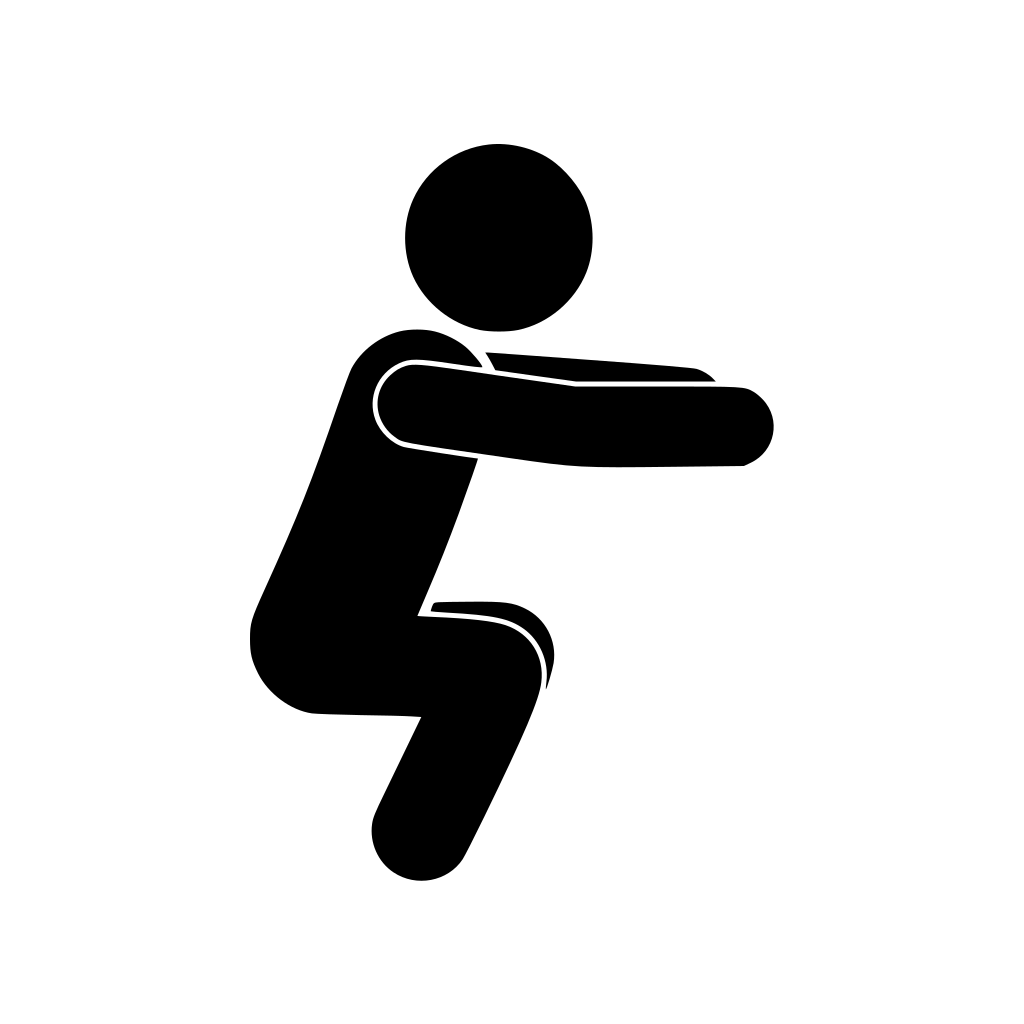 Squat
Feet about shoulder width apart, sit back and down as if onto a chair, then stand. Easier: sit onto a real chair and stand back up.
-
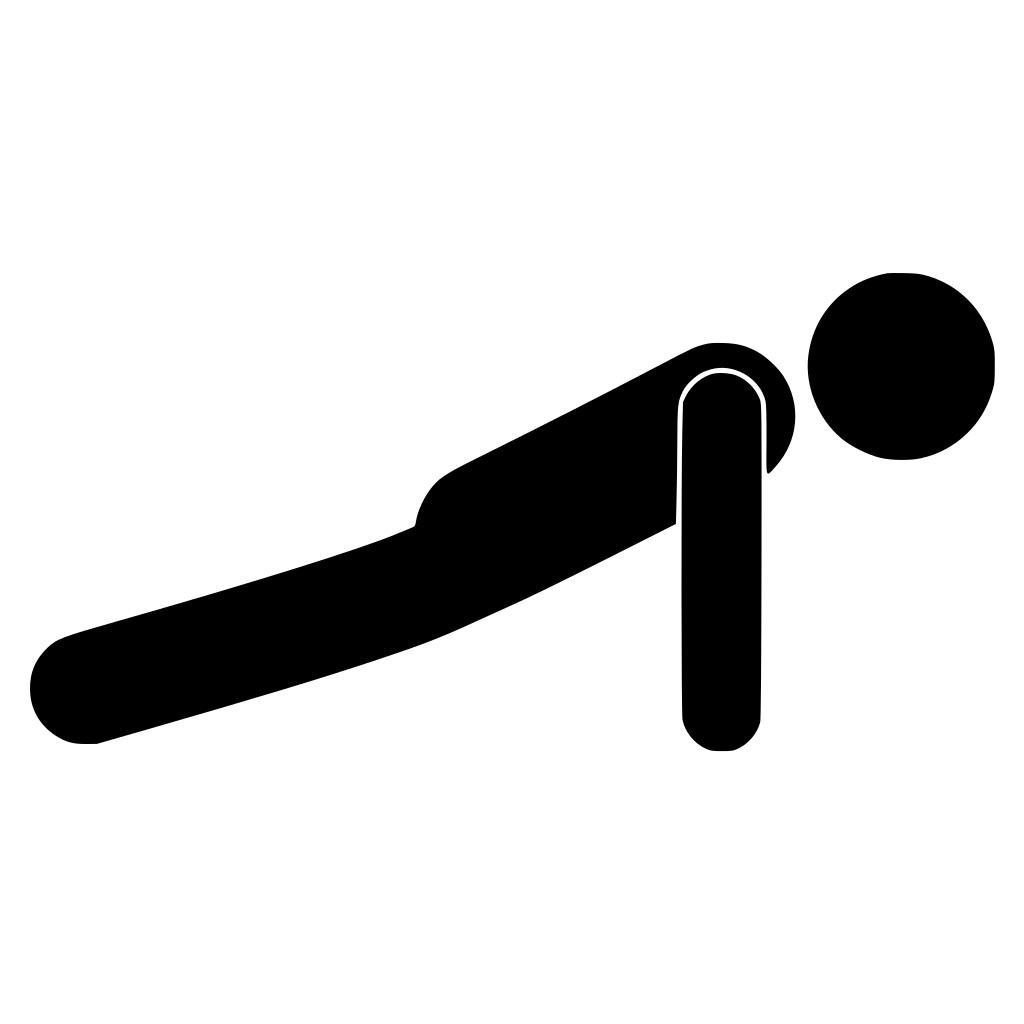 Push-up
Body straight, lower your chest towards the floor and push back up. Easier: from your knees, or with your hands on the kitchen bench.
-
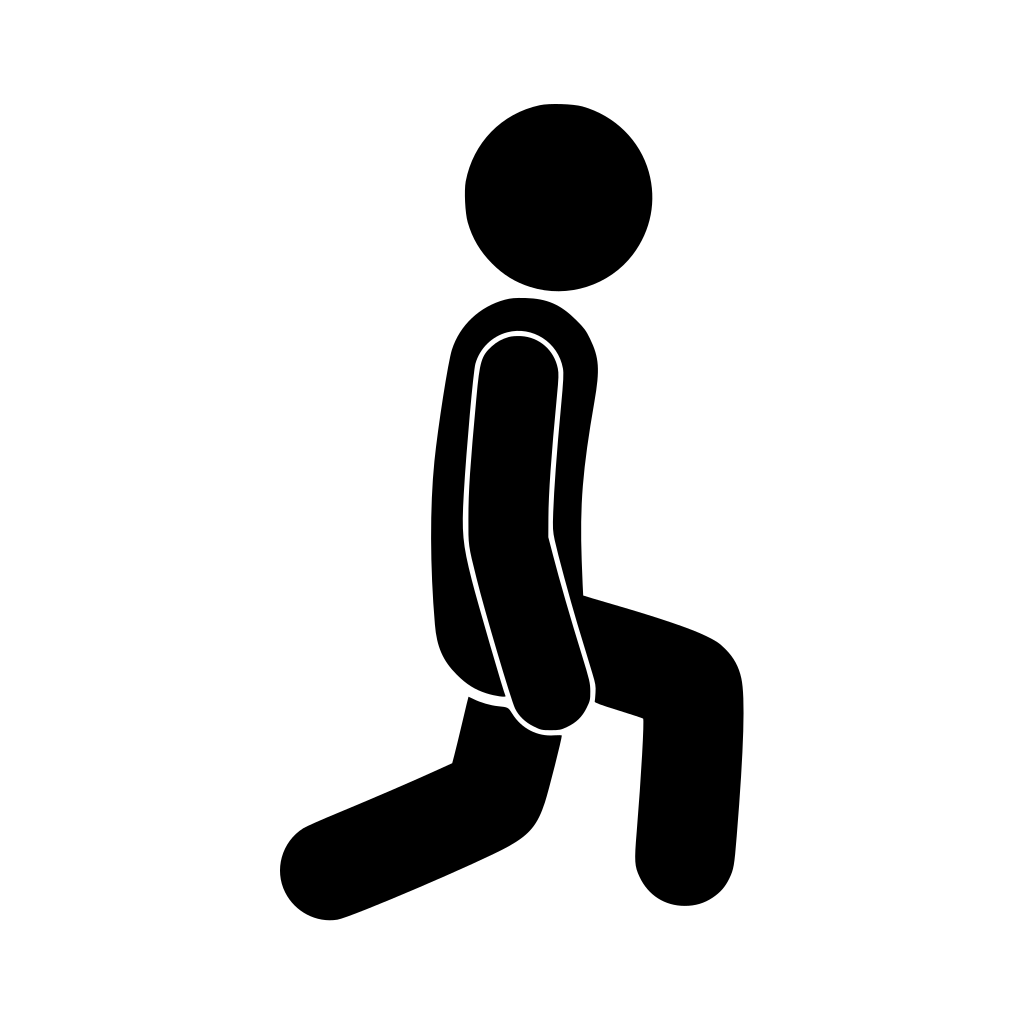 Lunge
Step back, bend both knees until the back knee is just off the floor, then step in again. Alternate legs. Stepping back is quieter than stepping forward.
-
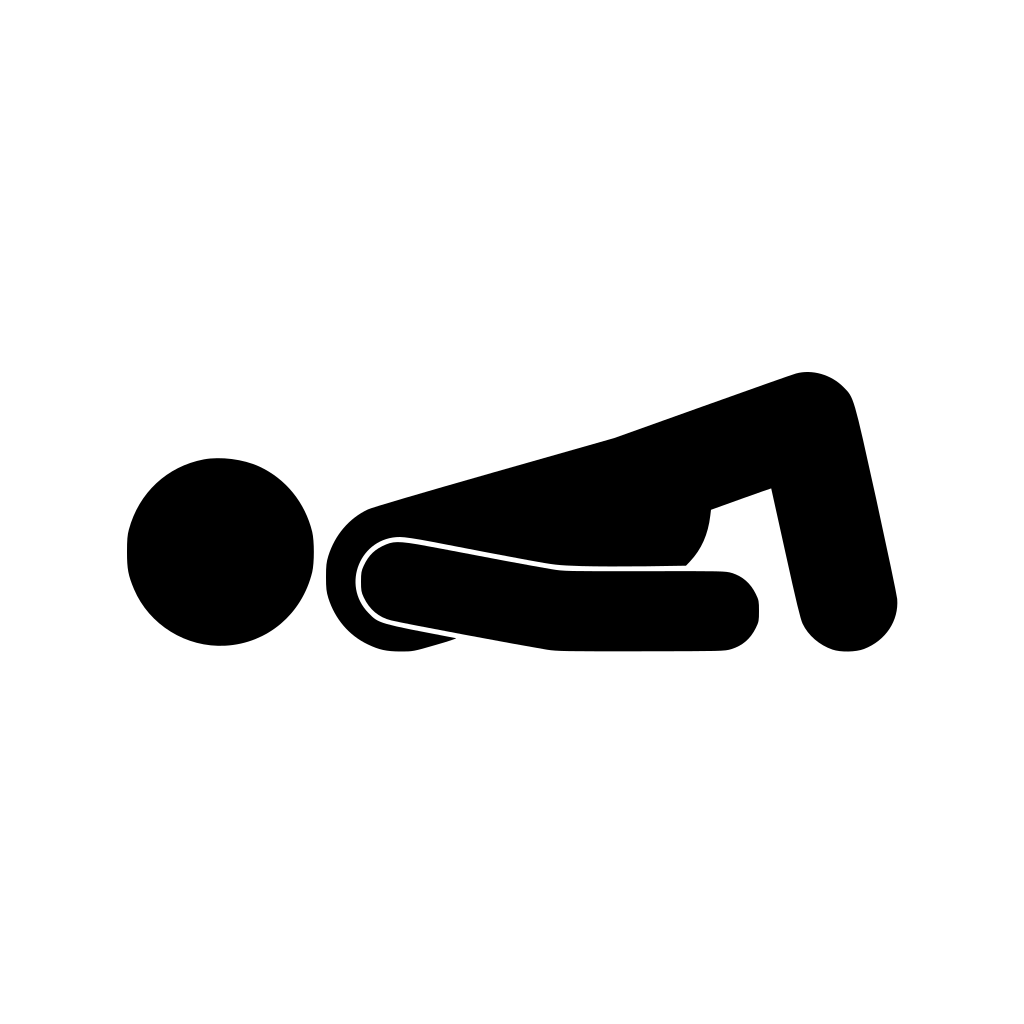 Glute bridge
Lie on your back with knees bent and feet flat. Lift your hips until your body is straight from knees to shoulders, hold for a second, and lower slowly.
-
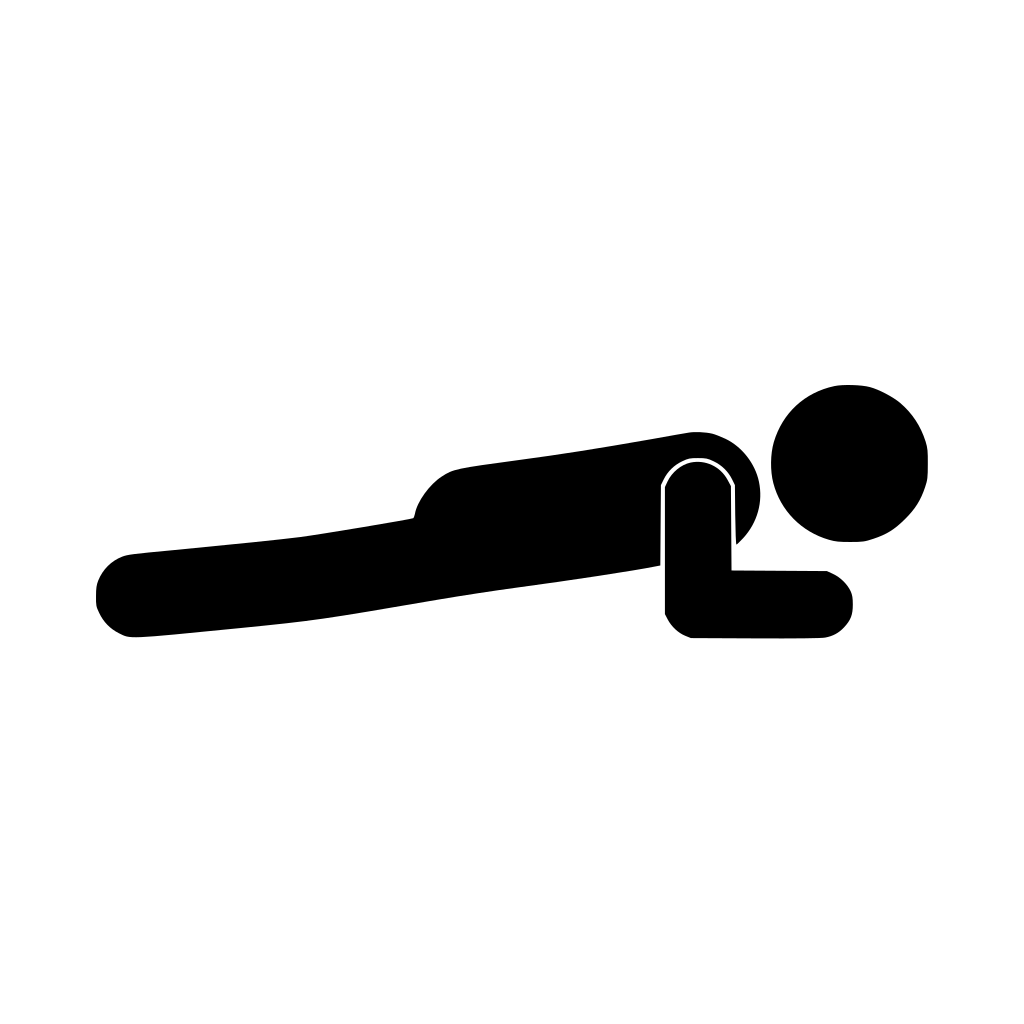 Plank
On your forearms, body straight from head to heels, and hold. Get into it from your knees so nothing thumps the floor.
-
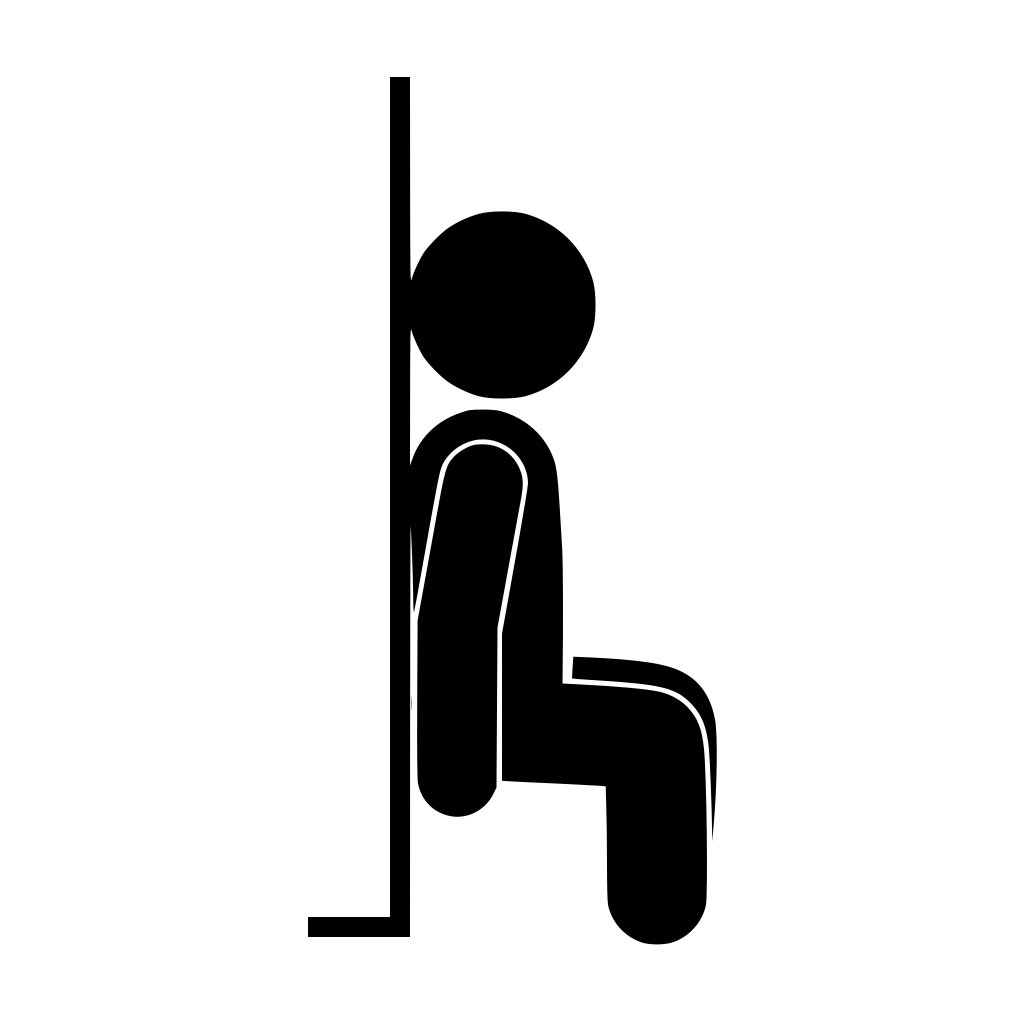 Wall sit
Back flat against a wall, slide down until your knees are bent to about a right angle, and hold. Come up a little higher if it's too much.
| Move | Time | Notes |
|---|---|---|
| 1. Squat | 45 s | Start slowly to warm up. |
| 2. Push-up | 45 s | From your knees if you need to. |
| 3. Lunge | 45 s | Step back, alternating legs. |
| 4. Glute bridge | 45 s | Hold for a second at the top. |
| 5. Plank | 45 s | Drop to your knees when you need to. |
| 6. Wall sit | 45 s | As low as you can hold. |
Rest about 15 seconds between moves. On a day with a bit more time, go through it twice for 12 minutes. If you want more quiet moves, our no-jump workout guide has twelve of them and a longer session.
When can you fit it in?
Wherever there's a regular gap in the day, even a short one. A few that tend to work:
- Nap time. Do the workout first, before the washing and the dishes, while you still have the energy. Leave a mat out so you can start straight away.
- After bedtime. Before you sit down on the couch, because getting back up is harder.
- Before they wake. Six minutes before the morning rush, if you're an early riser.
- While they play. At the park, walk laps of the playground rather than sitting on the bench.
- Taking turns. If there are two of you, swap: one has the kids while the other does a workout.
Pick one or two of these and tie them to something that already happens every day, so you're not deciding afresh each time.
How do you work out without waking anyone?
Leave out the jumps. Most of the noise from a home workout is impact, like feet landing after a jumping jack, and it carries through floors and walls far more than talking or music does.
- Swap the noisy moves. Step one foot out at a time instead of doing jumping jacks, and do slow squats instead of squat jumps.
- Lower yourself down. Get into planks and push-ups from your knees, rather than dropping to the floor.
- Use a mat or a rug. It softens any contact with the floor.
- Wear headphones for music or coaching.
- Pick your spot. Not right outside a bedroom door, and not on the floor above one.
Can you work out with a toddler in the room?
Yes, as long as you set up the space first and expect a few interruptions.
- Clear a space. Move anything they could pull over or trip on, and keep your water and phone out of reach.
- Choose moves you can stop straight away. Squats, lunges, glute bridges and wall sits are easy to pause. Save push-ups and planks for when they're busy with something else, so they don't end up underneath you.
- Let them copy. Little kids often want to do what you're doing. Squats, marching on the spot and glute bridges are easy to copy. Our guides to family workouts at home and easy exercises for kids have more ideas.
- Expect to pause. A workout in three parts still counts.
Short, quiet workouts in Streaks Workout
Streaks Workout is our workout app for grown-ups. Its Quick workout takes about 6 minutes and its Everyday workout about 12, built from bodyweight moves like the ones above. You choose which moves it uses, so you can leave out the jumps. A voice talks you through each move while an animated figure shows how to do it, and you can pause whenever someone needs you.
For after bedtime, the Silent but Deadly pack has five jump-free workouts, from Ninja Core, an easy core session, to Quiet Storm, a hard full-body one. One of them, Tiptoe Total Body, is meant to be quiet enough for midnight. The free Fresh Start pack has Easy Does It, a gentle, jump-free strength workout. The other Workout Packs are each a one-time purchase, and the app and its packs work with Family Sharing, so your partner can use them too. It runs on iPhone, iPad, Apple Watch and Apple TV, and you can put a workout on the TV if the kids want to join in.
Common questions
How can a busy parent find time to exercise?
Use short sessions instead of waiting for a free hour. The CDC says you can break your activity up into smaller chunks of time, so a 6 or 12-minute workout at nap time or after bedtime counts.
Is a 6-minute workout enough?
Not for the whole week on its own. The guidelines ask for at least 150 minutes of moderate activity a week, and strength work on 2 or more days. A short bodyweight workout can be one of those strength sessions, and the CDC says some physical activity is better than none.
How do you exercise at home without waking the kids?
Leave out jumping and fast footwork, lower yourself to the floor slowly, use a mat or rug, and wear headphones for music or coaching. Squats, lunges, glute bridges, planks and wall sits are close to silent.
Can you work out with a toddler in the room?
Yes. Clear the space of anything they could pull over, choose moves you can stop straight away, and let them copy you if they want to. Expect to pause, and carry on when they're settled.
Sources
- Australian Government Department of Health, Disability and Ageing. Recommendations for adults (18 to 64 years). Updated 3 June 2026. health.gov.au
- NHS. Physical activity guidelines for adults aged 19 to 64. Reviewed 22 May 2024. nhs.uk
- Centers for Disease Control and Prevention. Adult activity: an overview. 20 December 2023. cdc.gov
More guides
Workouts from about 6 minutes, with voice coaching, plus the jump-free Silent but Deadly pack for after bedtime. A one-time purchase, with no subscription.