You can get a good workout at home as a teenager with no equipment at all. Squats, push-ups, lunges, glute bridges and planks, done for about 15 minutes on three days a week, work most of your body. The official guidelines ask for at least 60 minutes of activity every day at your age, so a home workout is one part of that, alongside sport, walking and everything else you do.
This guide is for teens who want to train on their own, and for parents who want to know what's sensible.
How much exercise do teenagers need?
At least an hour a day. The Australian guidelines recommend that children and young people aged 5 to 17 "do at least 60 minutes each day of moderate to vigorous physical activity that makes the heart beat faster", and add "More is better." The NHS says the same for 5 to 18 year olds, as an average across the week. In the US, the CDC asks for "60 minutes or more of moderate-to-vigorous intensity physical activity each day" from 6 to 17.
Some of that hour should be strength work. The Australian guidelines recommend "muscle and bone strengthening activities 3 days per week" as part of the 60 minutes, and list push-ups, sit-ups, running, climbing, lifting weights and yoga as examples. The CDC also says at least 3 days a week.
It doesn't have to happen all at once. The Australian guidelines say it "doesn't have to be a full 60 minutes at once", so a walk to school, a game at lunch and a short workout after school all count.
Is bodyweight training OK for teenagers?
Yes. Bodyweight exercises are on the official lists: the NHS includes "sit-ups, press-ups and other similar exercises (for young people)" among the activities that strengthen muscles and bones.
The NHS also has some advice on exercising safely. Young people should "do exercise that is suitable for their age, ability and experience", "start any new exercise slowly and increase it bit by bit", and get medical advice first if they have a health condition. If you have an injury, or something hurts while you train, stop and check with your doctor.
Weights are a step further. The NHS says young people can use weights "if a qualified adult trains them to use weights correctly and supervises them." If you want to try them, ask a PE teacher, a coach at your club or a qualified trainer to show you, rather than learning from videos. This guide sticks to bodyweight.
Which moves should you learn first?
These eight cover your legs, upper body, back and core, and none of them need any gear. Each has an easier version, so start there if you need to and move on once it feels steady.
-
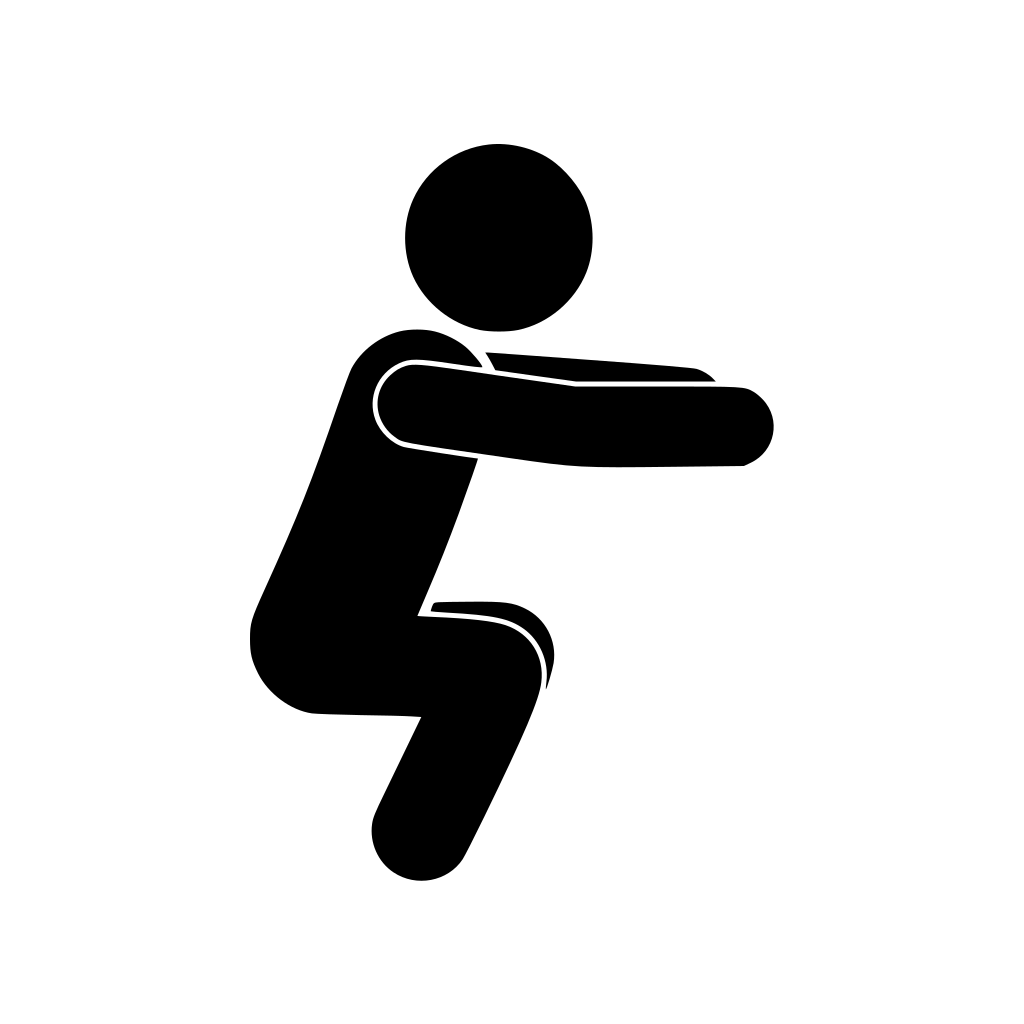 Squat
Feet about shoulder width apart, sit your hips back and down as if onto a chair, keep your chest up, then stand. Go as low as feels steady. Easier: sit onto a real chair and stand back up.
-
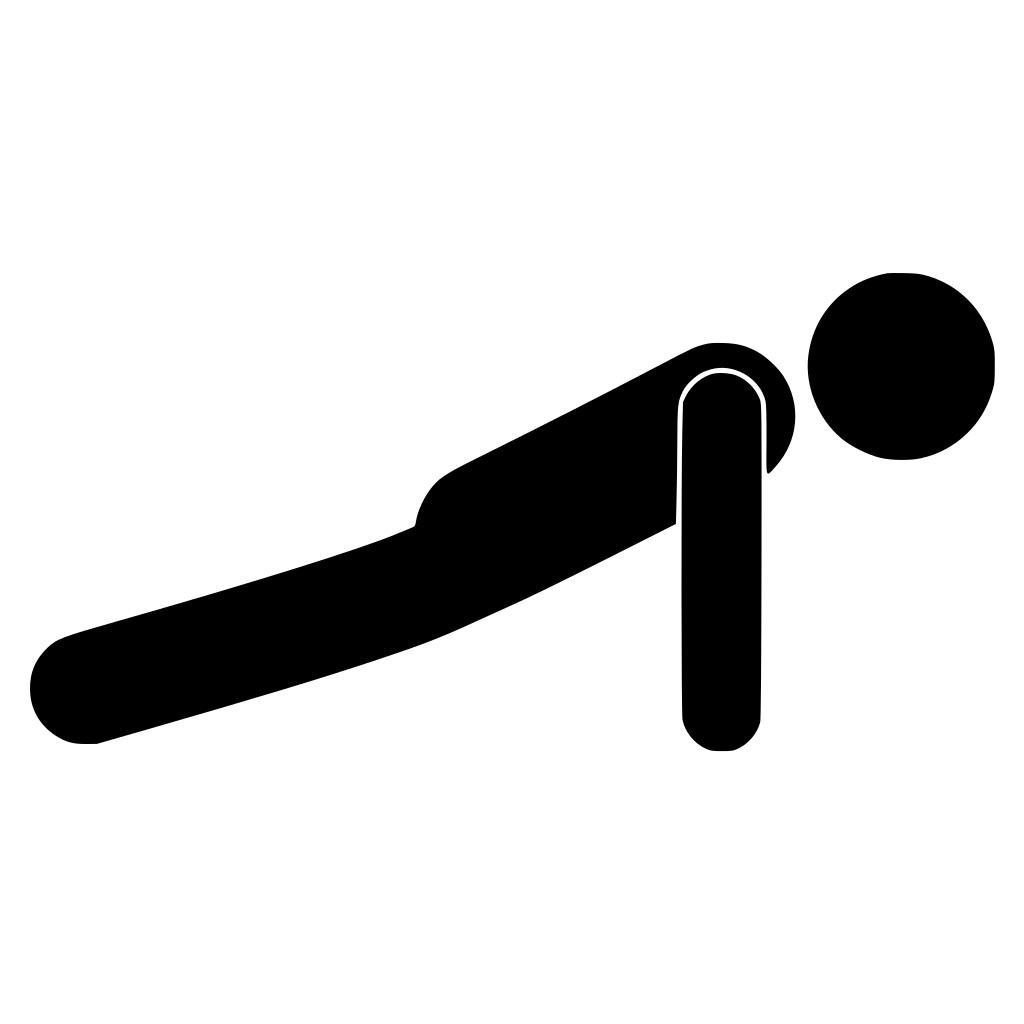 Push-up
Hands a little wider than your shoulders and your body straight from head to heels. Lower your chest towards the floor and push back up. Easier: from your knees, or with your hands on a wall.
-
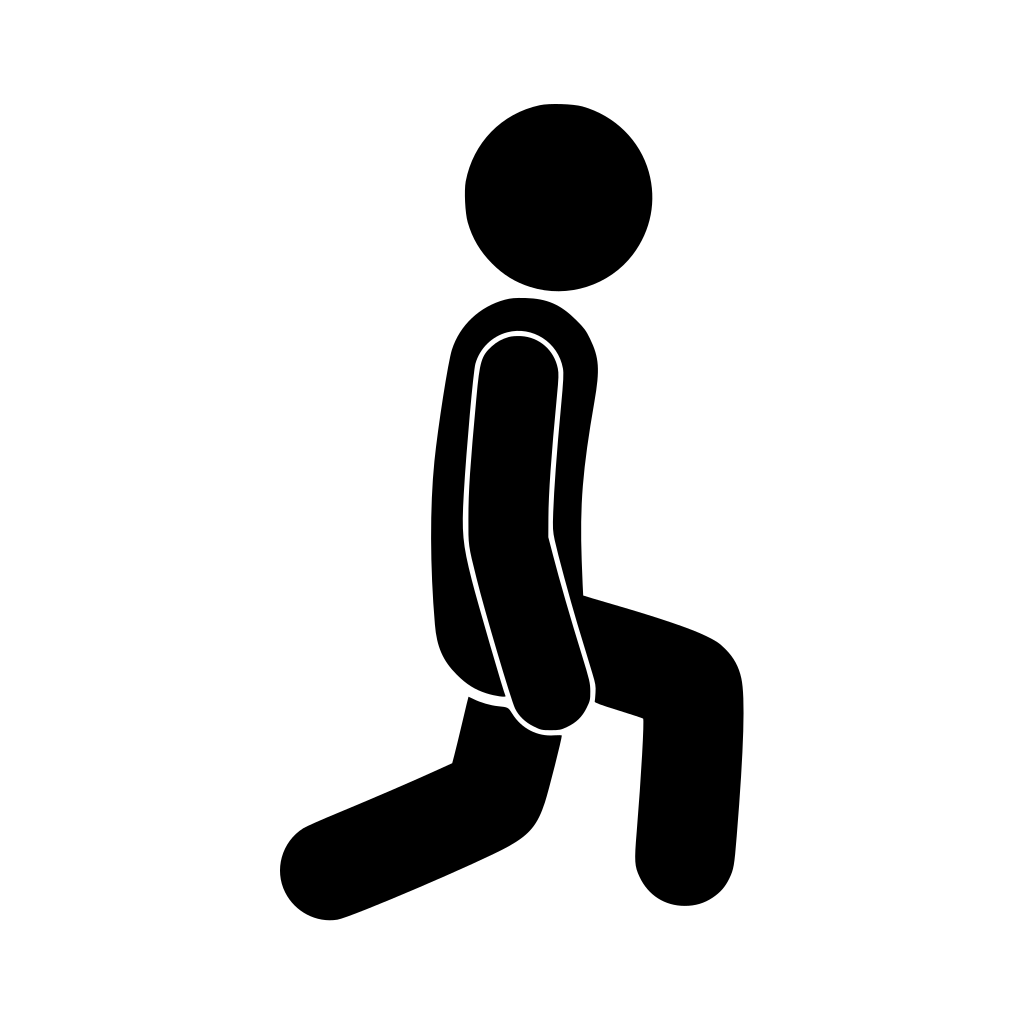 Lunge
Step forward and bend both knees until the back knee is just off the floor, with your front knee above your ankle. Push back to standing and switch legs. Easier: hold a wall and don't go as low.
-
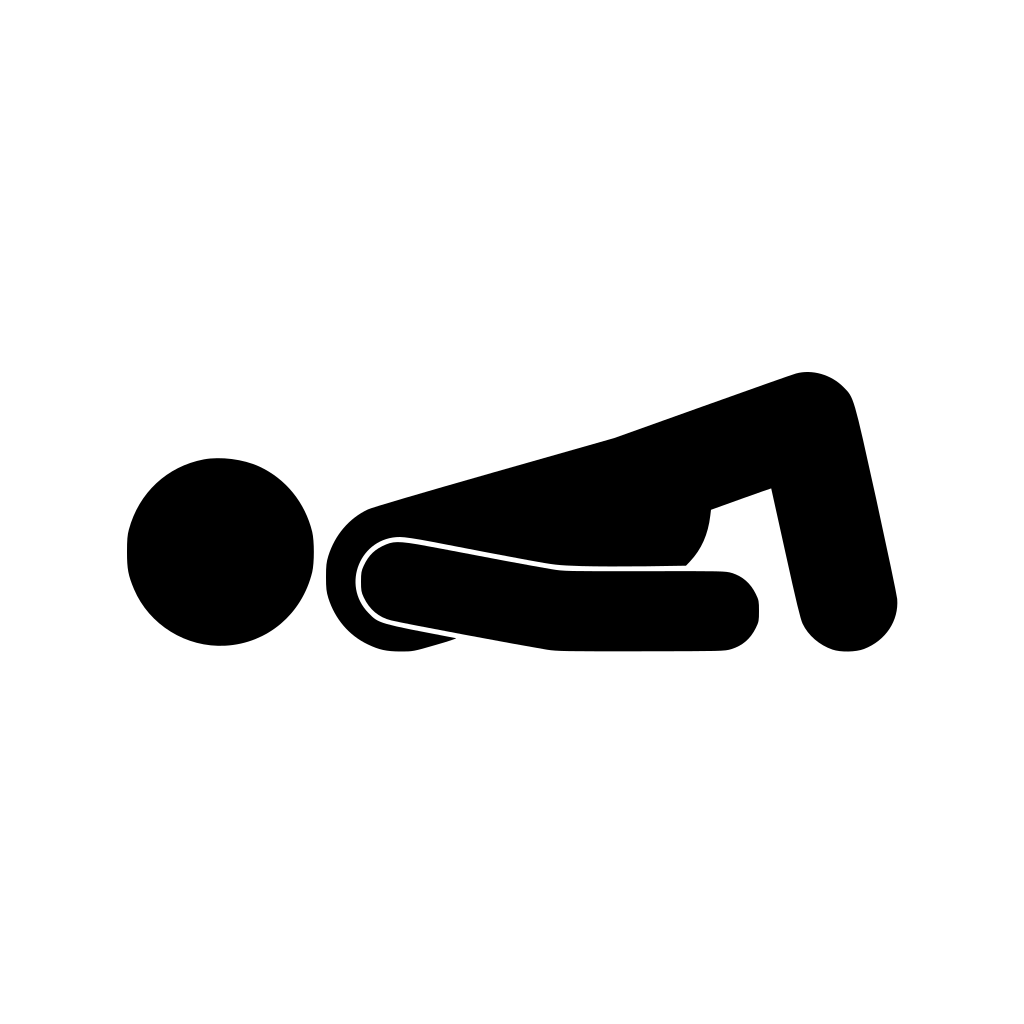 Glute bridge
Lie on your back with your knees bent and feet flat. Lift your hips until your body is straight from knees to shoulders, hold for a second, then lower slowly.
-
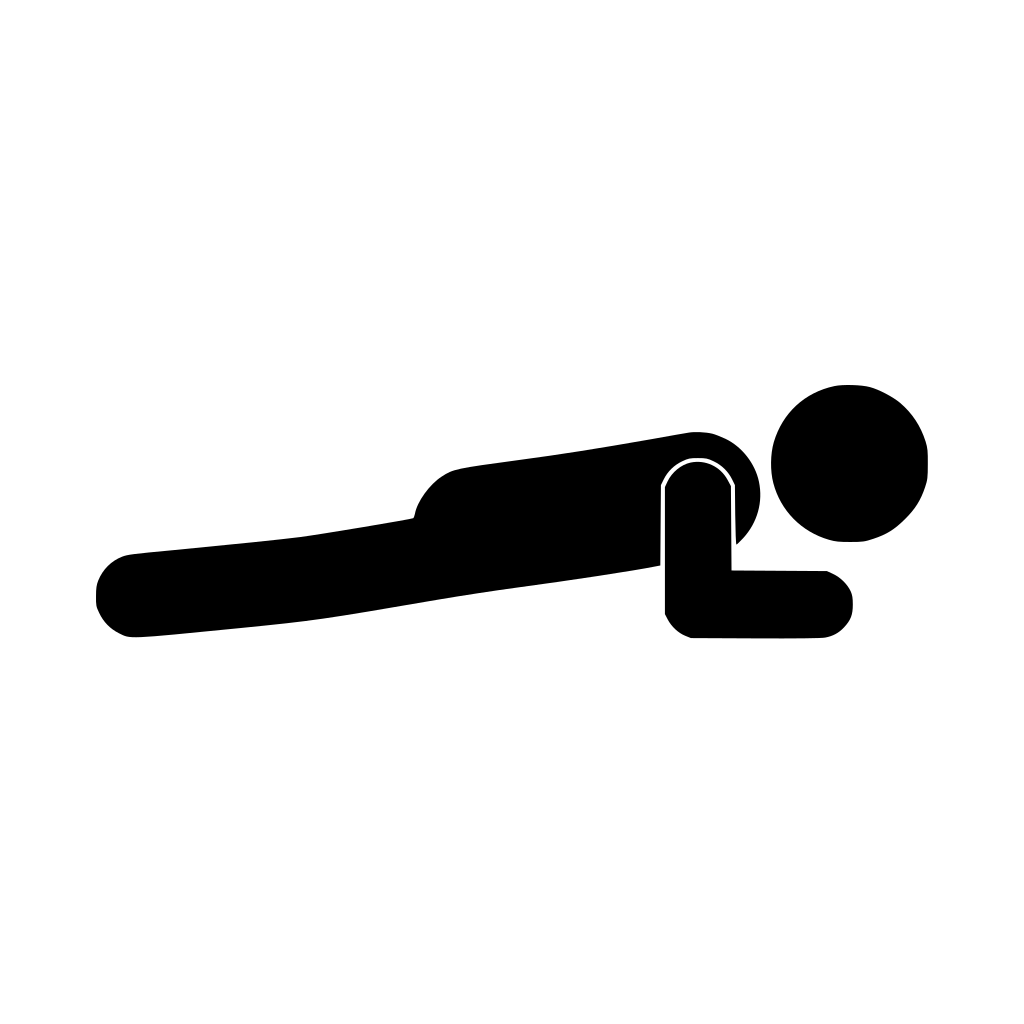 Plank
On your forearms or hands, keep your body in a straight line and hold. Don't let your hips sag or poke up. Easier: from your knees.
-
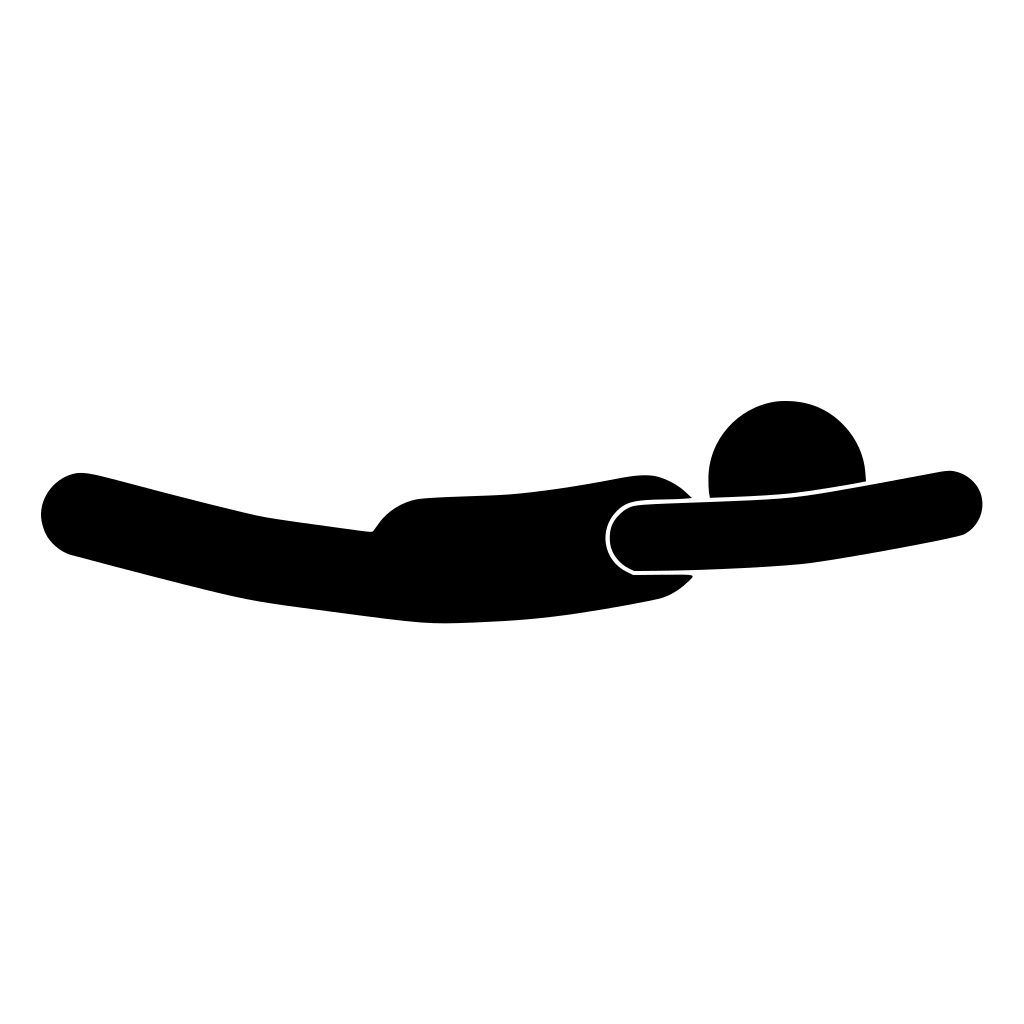 Superman
Lie face down with your arms out in front. Lift your arms, chest and legs a little off the floor, hold for a second and lower. Keep your head in line rather than tipping it back.
-
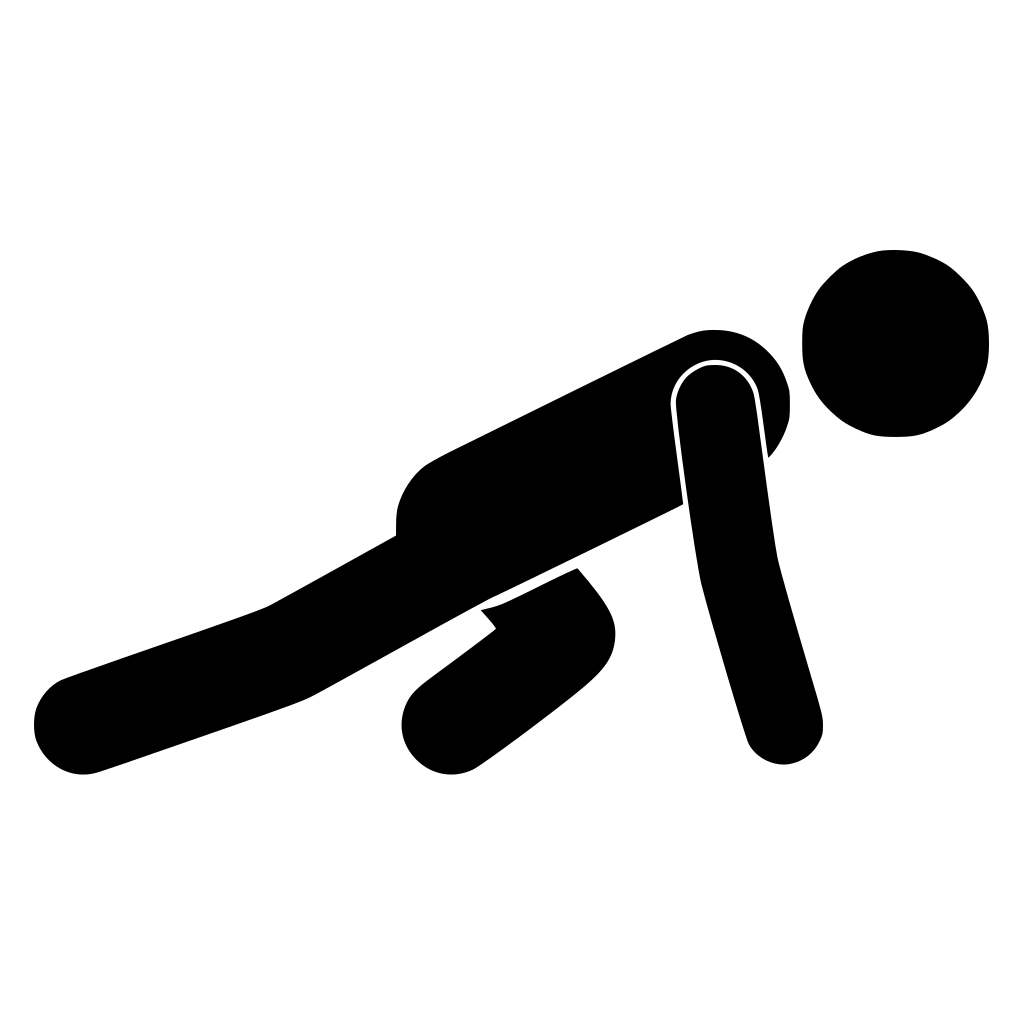 Mountain climber
From the top of a push-up, drive one knee towards your chest, then switch legs. Keep your arms straight. Easier: go slowly, one leg at a time.
-
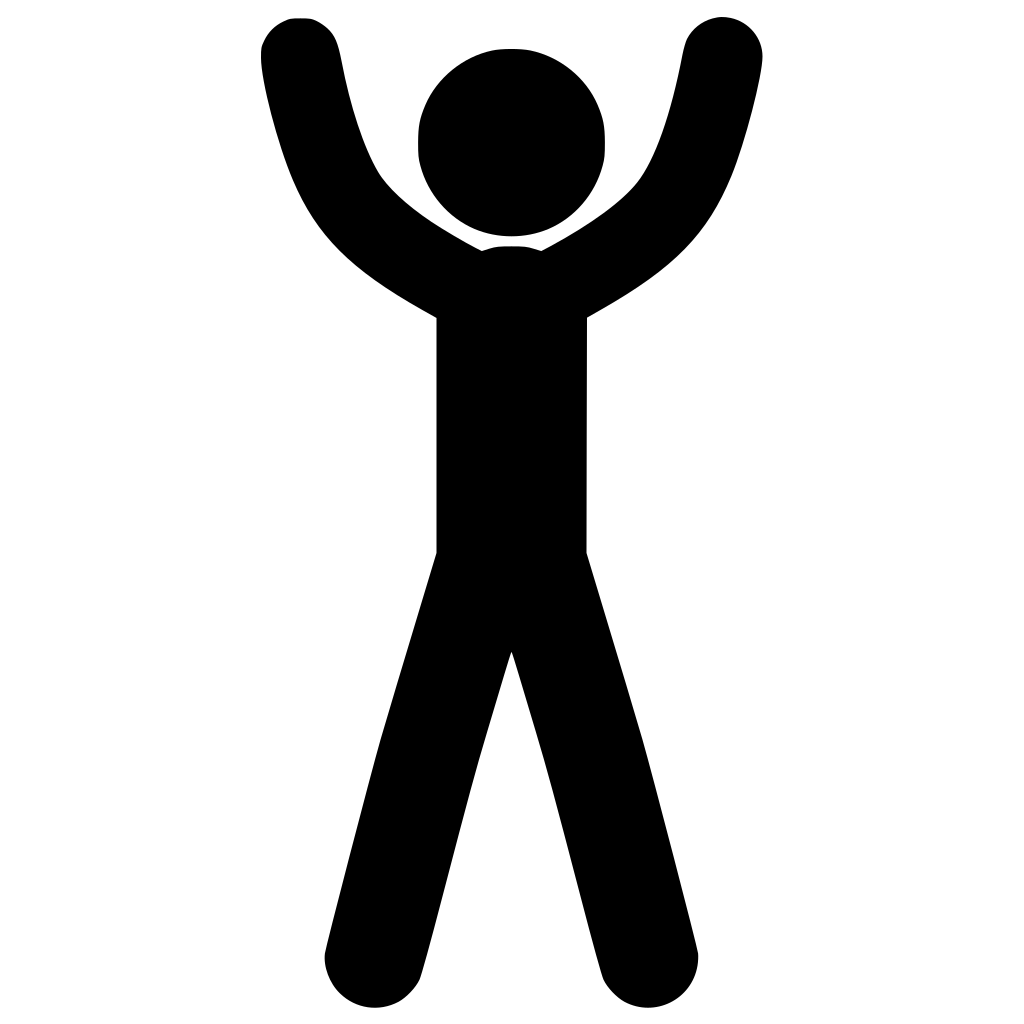 Jumping jack
Jump your feet out wide as your arms swing overhead, then jump back in. Easier, and quieter: step one foot out at a time.
A 15-minute routine to start with
Do each move for 30 seconds, then rest for 15 before the next. After all eight, rest for a minute and go through them again. With a short warm-up first, it takes about 15 minutes.
| Move | Time | Notes |
|---|---|---|
| Warm-up | 2 min | March on the spot, do some arm circles and a few slow squats. |
| 1. Jumping jack | 30 s | Step out instead if you need to keep it quiet. |
| 2. Squat | 30 s | Chest up, hips back. |
| 3. Push-up | 30 s | From your knees if you need to. |
| 4. Lunge | 30 s | Alternate legs. |
| 5. Glute bridge | 30 s | Hold for a second at the top. |
| 6. Mountain climber | 30 s | Steady rather than fast. |
| 7. Superman | 30 s | Lift, hold, lower. |
| 8. Plank | 30 s | Drop to your knees when you need to. |
| Rest | 1 min | Then go through all eight once more. |
If that's too much at first, do one round. Feeling stiff a day or two later is common at first. Sharp pain isn't, so stop that move and swap it for another. Our warm-up guide has a longer warm-up if you want one.
How often should you do it?
Three days a week is a good place to start, with a day off in between, like Monday, Wednesday and Friday. That lines up with the 3 days of muscle and bone strengthening in the Australian and US guidelines.
On the other days, the rest of your hour can come from sport, cycling, walking the dog, dancing or anything else that gets you moving. The NHS suggests doing a range of different activities across the week. If you already train hard for a sport, talk to your coach before adding more on top.
How do you make it harder?
Once the routine feels easy, change one thing at a time.
- Work longer. Go from 30 seconds to 40, with 20 seconds of rest.
- Add a round. Three rounds instead of two.
- Slow down. Take three seconds to lower into each squat and push-up.
- Swap in a harder version of a move, like the two below.
-
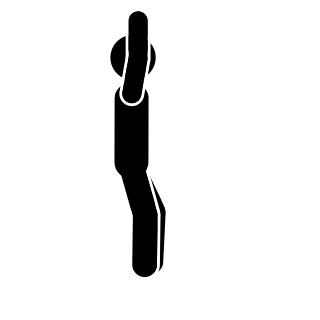 Squat jump
Do a normal squat, then jump straight up as high as you can and land ready for the next one. Don't jump forwards or backwards.
-
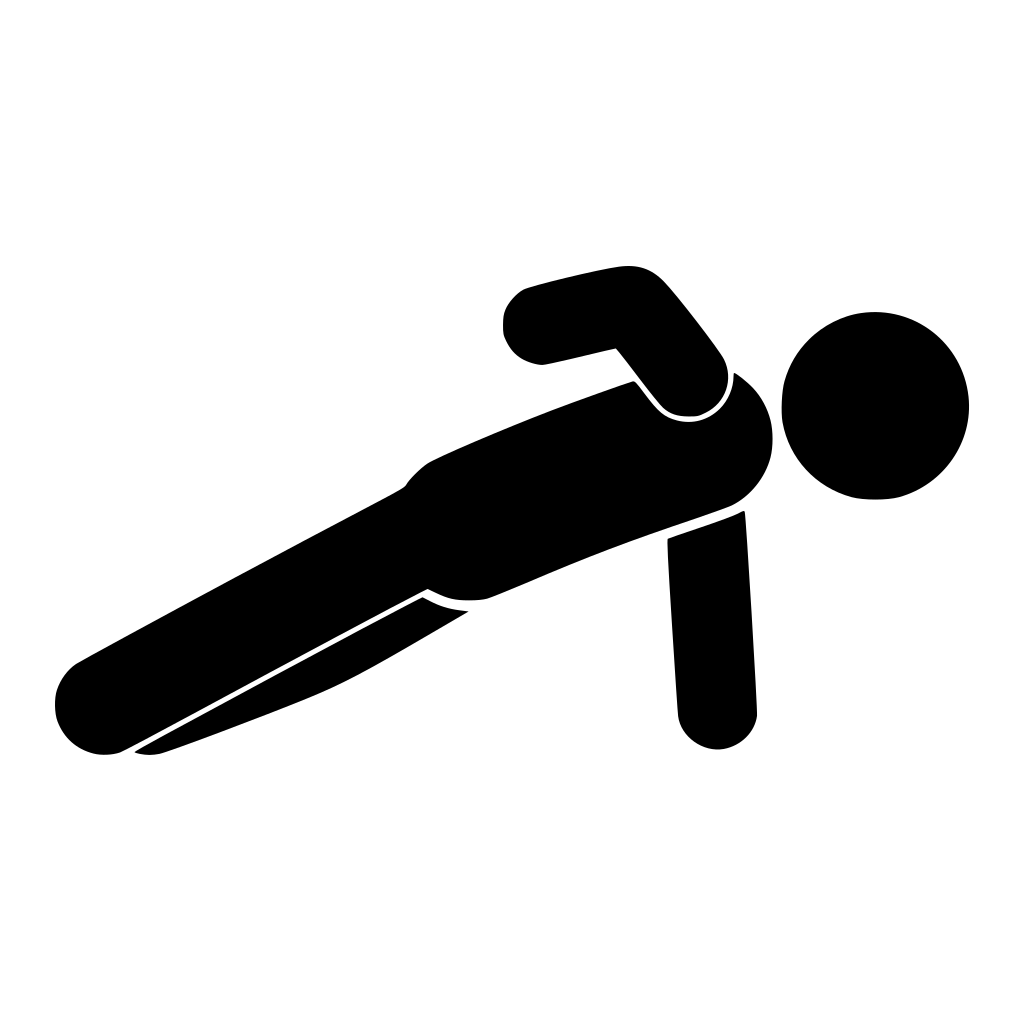 Push-up with rotation
Do a full push-up, then turn onto one hand and reach the other arm up to the ceiling. Turn back down and switch sides on the next one.
After those come moves like the pike push-up and the archer push-up. Our calisthenics guide explains how these steps up work, and our guide to building your own bodyweight workout shows how to swap moves in and out.
How do you keep it going?
Make it part of your week rather than something you decide on each day.
- Pick the days and a time, like straight after school, before you get on your phone.
- Keep track. A tick on a calendar is enough.
- Train with someone. A friend, a brother or sister, or a parent. Our guide to family workouts at home has ideas for doing it together.
- Keep it quiet if you need to. If you train in a bedroom above someone else, our no-jump guide has moves that won't shake the house.
Using Streaks Workout as a teen
Streaks Workout is a workout app made for adults, and teens can use it on their own too. All the moves in the routine above are built in. You pick a workout of about 6, 12, 18 or 30 minutes, or build your own from the moves you choose. A voice talks you through each one while an animated figure shows how to do it.
When the basics get easy, the Next Level pack comes with the app. In its workout The Upgrade, each basic is followed straight away by a harder version, such as squats then squat jumps, or a plank then an extended plank. The free Fresh Start, Shake It Out and All-Rounder packs add more, and the other Workout Packs are each a one-time purchase. The app and its Workout Packs work with Family Sharing, so if a parent already has them, you can use them too. It runs on iPhone, iPad, Apple Watch and Apple TV.
Common questions
How much exercise should a teenager get?
At least 60 minutes a day of moderate to vigorous activity, according to the guidelines in Australia, the UK and the US. The Australian and US guidelines also say that on at least 3 days a week, some of it should strengthen muscles and bones.
Is it safe for teenagers to do push-ups and squats?
Push-ups and sit-ups are on the NHS and Australian lists of activities for young people. Start slowly and build up bit by bit. If you have an injury or a health condition, check with your doctor first.
Can teenagers lift weights?
The NHS says young people can use weights for resistance exercise if a qualified adult trains them to use weights correctly and supervises them. Ask a PE teacher, a coach or a qualified trainer to show you before you start.
How often should a teenager work out at home?
Three days a week, with a day off in between, is a good place to start. That lines up with the 3 days of muscle and bone strengthening in the Australian and US guidelines. The rest of the daily 60 minutes can come from sport, walking, cycling or anything else that gets you moving.
Can a teenager use Streaks Workout?
Yes. Streaks Workout is made for adults, and teens can use it on their own too. The app and its Workout Packs work with Family Sharing, so a teen can use the copy a parent already has.
Sources
- Australian Government Department of Health, Disability and Ageing. Recommendations for children and young people (5 to 17 years). Updated 13 March 2026. health.gov.au
- NHS. Physical activity guidelines for children and young people. Reviewed 23 October 2024. nhs.uk
- Centers for Disease Control and Prevention. Physical activity recommendations for children. 4 December 2025. cdc.gov
More guides
- Easy exercises for kids at home
- Family workouts at home: exercising with your kids
- Indoor exercise games for kids on a rainy day
- Yoga with kids
- How to fit in exercise as a busy parent
- Calisthenics for beginners: where to start and how to progress
- How to start working out at home when the gym isn't for you
Bodyweight workouts with voice coaching that a teen can follow on their own, with harder versions in Next Level as they get fitter. A one-time purchase that works with Family Sharing, with no subscription.