One kettlebell and a clear patch of floor are enough to train your whole body at home. Start with a bell lighter than you think you need, learn the hip hinge before anything else, and save the swing until the slow moves feel solid. A first session of six simple moves takes about 20 minutes.
How heavy should your first kettlebell be?
Probably lighter than you'd guess. StrongFirst's guide for people preparing for its kettlebell course suggests men might start with a 16 kg bell and women with an 8 kg bell, then move up over the following weeks. Those readers usually train already, so if you don't, start below that.
With only one bell, choose for your weakest move. Most people can deadlift far more than they can press overhead. In the shop, check that you can press it overhead a few times on each side without leaning back. Moves done one arm at a time make the same bell feel much heavier, so it will last longer than you expect.
Learn the hip hinge first
The hip hinge is the movement behind the deadlift, the swing and most other kettlebell lifts, so learn it with no weight at all. You bend at the hips rather than the waist, and your knees bend only a little.
-
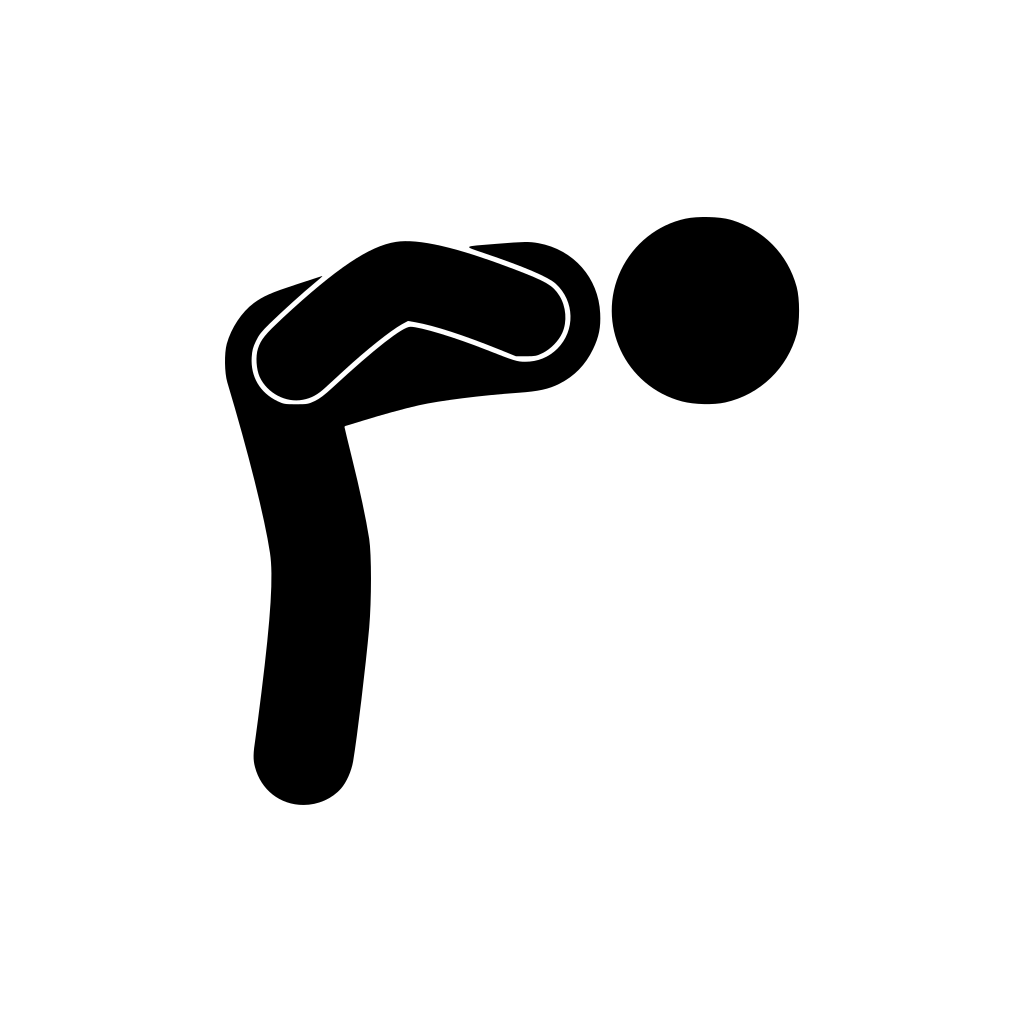 Hip hinge
Stand tall with soft knees and your hands on your hips. Push your hips back, letting your chest tip forward with a flat back until you feel a stretch in your hamstrings. Then drive your hips forward to stand and squeeze your glutes.
To check it, stand with your heels a small step from a wall and push your hips back until your bottom touches it. If your knees slide forward first, you're squatting. Hip Hinge is one of the built-in exercises in Streaks Workout, so you can practise it in an ordinary workout before your bell arrives. Our guide to building your own bodyweight workout shows where a hinge fits in a session.
How do you do a kettlebell swing?
The swing is a fast hip hinge. Your hips throw the bell forward, and your arms only guide it. The American Council on Exercise suggests practising the hinge with a bell first, as a deadlift, and moving on to swings once you can hold good form for about 12 to 15 reps.
-
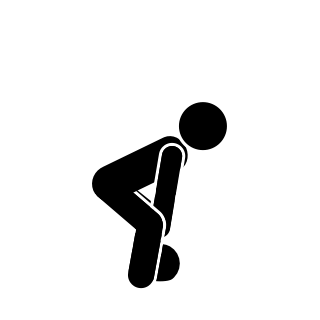 Kettlebell deadlift
The bell sits on the floor between your feet. Hinge down, grip the handle with both hands, keep the bell close to your shins, and stand up by driving your hips forward.
-
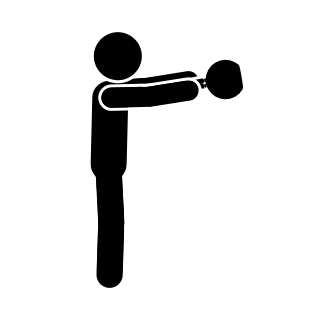 Kettlebell swing
Start with the bell a little in front of you. Hinge, grip it with both hands and hike it back between your thighs. Snap your hips forward so it floats up to about chest height, then let it fall back as you hinge again.
The common mistakes are:
- Squatting it. If your knees bend deeply and your hips drop, push your hips back instead.
- Lifting with your arms. If your shoulders are burning, you're lifting the bell rather than letting your hips throw it.
- Leaning back at the top. Finish standing straight, like the top of a deadlift, with your glutes tight.
- Rounding your back. Keep it long and flat, with the bell passing high between your thighs rather than down by your knees. If you can't, the bell is too heavy or you're tired, so stop the set.
A first kettlebell workout
This session uses slow, controlled moves that teach you to handle the bell before you swing it. Start with the deadlift above, then:
-
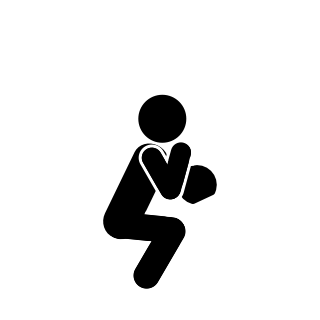 Goblet squat
Hold the bell at your chest by the sides of the handle, elbows tucked in. Sit down between your hips with your chest tall, then stand.
-
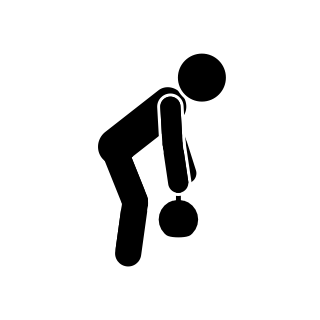 Kettlebell row
Hinge forward with a flat back, your free hand on a knee or a sturdy chair. Pull your elbow back past your ribs, then lower slowly.
-
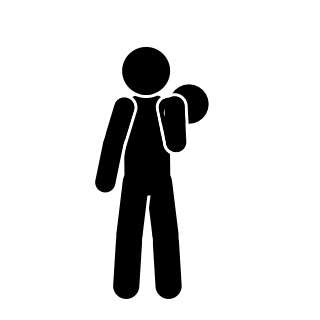 Kettlebell press
Hold the bell at your shoulder, elbow tucked and wrist straight. Press it up until it's over your shoulder, without leaning back.
-
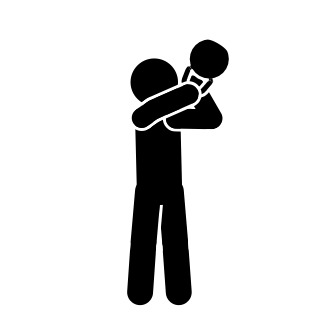 Kettlebell halo
Hold the bell upside down by the sides of the handle and circle it slowly around your head, close to it. Keep your hips still.
-
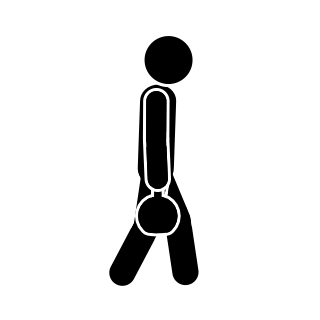 Suitcase carry
Hold the bell by your side like a suitcase and walk slowly around the room. Stand tall and don't let it pull you sideways.
Rest 20 seconds between moves and a minute between rounds. Two rounds is a good first session, and three takes about 20 minutes. Two or three sessions a week, with a day off between them, is plenty at first.
| Move | Reps | Notes |
|---|---|---|
| Warm-up | 3 min | Bodyweight hinges and squats, arm circles, a few light deadlifts. |
| 1. Deadlift | 10 | Bell close to your shins. |
| 2. Goblet squat | 10 | As deep as is comfortable. |
| 3. Row | 8 each side | Free hand on your knee or a chair. |
| 4. Press | 5 each side | Drop to 3 if the last ones are a grind. |
| 5. Halo | 3 each way | Slow, close to your head. |
| 6. Suitcase carry | 30 s each side | Walk slowly and stand tall. |
| Rest | 1 min | Then repeat, for two or three rounds. |
How do you train with a kettlebell safely at home?
Start by looking at the room. A swinging bell needs more space than you'd think.
- Clear the space. Leave room in front of and behind you, and keep children, pets, the TV and glass doors out of the swing's path.
- Look up before any overhead move, and press where no light fittings or ceiling fans hang low.
- Use a solid floor. A dropped bell can dent floorboards and crack tiles, so a firm mat is better than bare tiles or a bouncy surface. Train barefoot or in flat shoes.
- Hold on. Keep a firm grip on every swing and wipe off sweat or hand cream first so the handle doesn't slip.
- Don't fight a bad rep. If an overhead move starts to go wrong, guide the bell down or step away from it.
- Stop early. End each set while your form still looks like it did on the first rep.
If you have an injury, back pain or a health condition, or you're coming back after a long break, check with a doctor or physio before starting. StrongFirst also suggests getting someone to coach you on basic form, in person or online, because it's hard to see your own mistakes.
How do you progress from here?
Add swings once the deadlift feels solid. Keep the sets short at first. ACE's Anthony Wall suggests swinging for 20 to 30 seconds, then resting for 30. Stop a set before your form slips. When the session above feels easy, swap the deadlifts for swings, then add a round. Wall also suggests getting the two-handed swing right before you try single-arm swings, cleans and snatches.
-
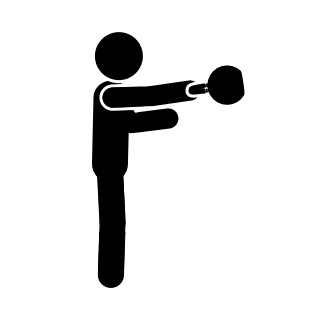 Single-arm swing
The same hip snap with one hand on the handle. Keep your shoulders square as the bell tries to twist you.
-
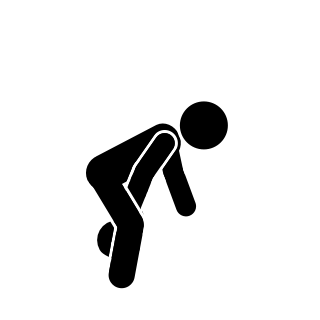 Kettlebell clean
A swing that finishes with the bell resting at your shoulder, ready to press. Guide it in close so it doesn't bang your forearm.
-
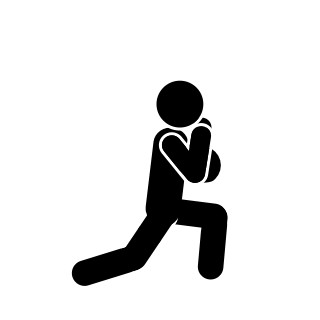 Goblet reverse lunge
Hold the bell at your chest, step back and lower the back knee towards the floor, then push through the front heel to return.
Move up a size when the bell feels light for most of the session, which StrongFirst's guide puts at weeks rather than days. To mix in bodyweight days, our guide to calisthenics for beginners pairs well with this one.
The Bell Ringer pack
Bell Ringer is the one Workout Pack in Streaks Workout that needs equipment for every workout, and one kettlebell is enough for all of it. It has 17 kettlebell exercises, each with its own animation, from the moves in this guide to the push press, windmill and Turkish get-up. Its four workouts start with Bell Basics, which is close to the session above, then Hinge & Press and the Swing Shift intervals, up to Iron Bell, with single-arm swings, snatches and get-ups. Its exercises also show up when you build your own workouts.
Common questions
What weight kettlebell should a beginner buy?
Lighter than you'd guess. StrongFirst's guide for people preparing for its kettlebell course suggests men might start with 16 kg and women with 8 kg, but those readers usually train already. If you've never lifted weights, or you'll only have one bell and want to press it overhead, go lighter.
Can you get a full workout with one kettlebell?
Yes. One bell covers squats, hinges, presses, rows, carries and swings, which work your legs, back, shoulders, arms and core. Moves done one arm at a time make it feel heavier, so one bell lasts a long time.
How often should a beginner do kettlebell workouts?
Two or three times a week, with a rest day between sessions, is plenty to start with. The NHS recommends strengthening activities that work all the major muscle groups on at least two days a week, and a kettlebell session covers them.
Sources
- Jones B. StrongFirst SFG kettlebell certification prep guide. StrongFirst. strongfirst.com
- McCall P. The ACE Do It Better series: the two-handed kettlebell swing. ACE Certified, January 2025. acefitness.org
- Wall AJ. How to get started with kettlebells. American Council on Exercise, 26 January 2015. acefitness.org
- NHS. Physical activity guidelines for adults aged 19 to 64. nhs.uk
More guides
Short workouts with voice coaching, plus the Bell Ringer pack for training with one kettlebell. A one-time purchase, with no subscription.